

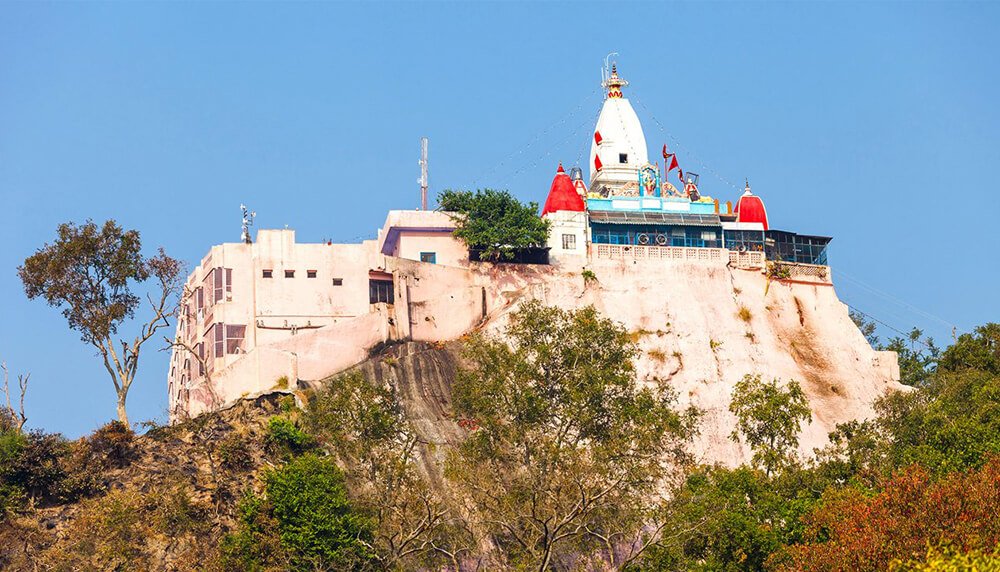
Perched a top Bilwa Parvat, the Mansa Devi Temple in Haridwar, is a revered pilgrimage site that blends deep spiritual significance with breathtaking natural beauty. Dedicated to Goddess Mansa, known for granting the heartfelt wishes of her devotees, the temple attracts thousands of pilgrims and tourists throughout the year. A visit to this sacred shrine offers more than just blessings—it invites you to witness mesmerizing views of the Ganges and the Himalayan foothills. Whether you're seeking divine grace or cultural insight, the Mansa Devi Temple in Haridwar promises a truly soul-stirring experience.
The word “Mansa” is derived from the Sanskrit word manas, meaning mind. Legend has it that Goddess Mansa was born from Lord Shiva’s mind and is the sister of Naga (serpent) Vasuki. As a deity of wishes, she is revered by believers who come seeking blessings for good health, peace, prosperity, and resolution of their life’s troubles. It is common to see devotees tying sacred threads to the temple’s holy tree—a silent prayer for their heartfelt desires to come true.
Haridwar, one of the seven holiest cities in Hinduism, is a spiritual epicenter along the Ganges River. Within this sacred geography, the Mansa Devi Temple holds a special place. It forms part of the trio known as the “Siddh Peeths” in Haridwar, alongside the Chandi Devi and Maya Devi temples. Visiting all three is considered spiritually enriching, and many pilgrims undertake this sacred circuit during the annual pilgrimage seasons.
Mansa Devi is also considered one of the manifestations of Shakti, the divine feminine energy. This makes it an essential stop during the Navratri festival, when thousands of devotees ascend the hill to offer prayers and participate in vibrant religious rituals.
Getting to Mansa Devi Temple is an experience in itself. There are two main ways to reach the top:
Both routes add a sense of anticipation and reverence before reaching the temple complex, enhancing the overall experience.
The main sanctum houses the idol of Goddess Mansa Devi, adorned in traditional red and yellow drapery, garlands, and shimmering jewelry. Devotees offer coconuts, bangles, and flowers, often whispering their wishes into folded palms. A strong sense of devotion permeates the air, as the temple bells echo with chants and prayers.
Outside the sanctum, vendors sell sacred threads (mouli), sweets, and prasad. A unique feature here is the sacred tree tied with countless threads—each representing a devotee’s unspoken wish or heartfelt prayer. Once the wish is fulfilled, devotees return to untie the thread, completing their spiritual vow.
While Mansa Devi is primarily a religious destination, it also offers a glimpse into India’s vibrant cultural fabric. The temple complex is a hub of activity during major Hindu festivals like Navratri, Kumbh Mela, and Makar Sankranti. The rituals, colors, music, and community energy on these occasions bring the space to life in a way that’s difficult to describe in words.
For international travelers or first-time visitors, it’s an enriching chance to witness Indian traditions at their most authentic. The harmonious blend of nature, faith, and local life is what sets Mansa Devi apart from typical tourist spots.
Though open year-round, the best time to visit the temple is between October and March, when the weather is cooler and pleasant. During Navratri, the temple is beautifully decorated, and special pujas are conducted—making it a spiritually charged time for darshan (viewing the deity).
Early morning visits are recommended to avoid crowds and soak in the peaceful atmosphere. The ropeway typically operates from 8:00 AM to 5:00 PM, but timings may vary during festival seasons, so checking in advance is advised.
Efforts have been made to improve accessibility for senior citizens and differently-abled visitors. The ropeway is a significant step in this direction, and there are designated viewing areas and resting benches throughout the temple complex. Authorities have also installed dustbins and encourage visitors to maintain the sanctity and cleanliness of the surroundings.
As tourism in Haridwar grows, Mansa Devi stands as a reminder of how sacred spaces can coexist with modern conveniences while preserving their ancient charm.
Visiting Mansa Devi Temple in Haridwar isn’t just about offering prayers—it’s about embracing a moment of inner peace, connecting with traditions, and witnessing how belief shapes the lives of millions. Whether you're seeking spiritual upliftment or simply want to witness the soulful side of India, Mansa Devi is a destination that stays with you long after the visit.
So next time you're in Haridwar, let your journey lead you up to this divine temple. Whisper your wish, take in the view, and let the power of faith work its quiet magic.