

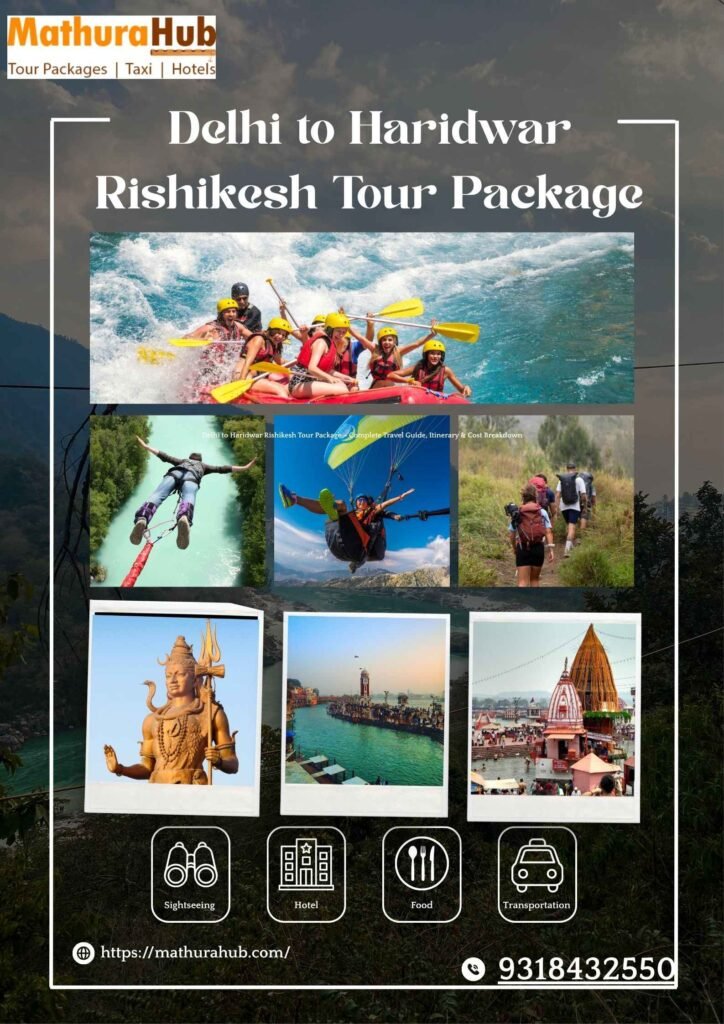
Are you considering a brief spiritual break? Mathura Hub has a well-organized Delhi to Haridwar Rishikesh Tour Package that will appeal to religious folks, family travelers, and folks who love adventure. This trip will involve an experience of the significant Ganga Aarti, visiting old ghats, a relaxed darshan in the temples in Haridwar, and the scenic vibe + adventurous activities in Rishikesh.
Whether you’re interested in a Delhi Haridwar and back tour to re-ignite your spirituality, or a Delhi Rishikesh tour with rafting, cliff jumping, and beautiful stays right next to the river—this traveller guide covers everything that potential traveller will be searching for, i.e. itinerary, the best things to see in Haridwar and Rishikesh, and rough costs.
With a rich culture, divine vibe, and stunning scenery—this is a very fulfilling short trip from Delhi.
Delhi Haridwar Rishikesh Tour Package stands as one of North India’s best short spiritual getaways. It combines perfectly well-made tourist packages that cover pilgrimage, wellness, and adventure; making it perfect for families, couples, or solo travelers who are planning a Haridwar trip from Delhi or a peaceful Rishikesh trip from Delhi.
Haridwar and Rishikesh are situated beside the holy Ganges in Uttarakhand.
Haridwar is considered to be the "Gateway to God", where millions sit to take a holy dip and wash away their sins.
Rishikesh, in contrast, is the Yoga Capital of the World — a tranquil town that draws those seeking peace, yogis, and thrill-seekers from all over the globe.
Mathura Hub's Haridwar Rishikesh Tour Package from Delhi offers you a very well-planned trip that includes all the major sightseeing attractions, comfortable transfers, and round-the-clock personalized assistance at your disposal during the complete trip.
Before embarking on any travels from Delhi to Haridwar and Rishikesh, one needs to understand what would be the best methods for travel.
For Land Travel
Distance: ~240 km (Delhi to Haridwar) and next 25 km (Haridwar to Rishikesh)
Time: 5-6 hours by road (depending on traffic).
There are private taxis, Volvo buses, and tempo travelers available under the Delhi Rishikesh Haridwar tour package. This drive along NH334 is extremely picturesque and offers countryside views.
By Railway Transport
Frequent passenger trains run from New Delhi Railway Station to Haridwar Junction; some of the famous ones include:
Rishikesh is just a 45-minute drive from Haridwar.
By Air
The nearest airport would be Jolly Grant Airport (Dehradun), approximately 35 km from both the cities. The quickest way to start your Haridwar Rishikesh tour package from Delhi is daily flights from Delhi to Dehradun.
3-4 days are fine for both the cities. Still, Mathura Hub offers tailor-made tour packages of 2, 3, and 5 days for those who want to travel according to their preferences and budget.
Day-wise itinerary for Delhi Haridwar Rishikesh Package:
Day 1: Delhi → Haridwar (240 km | 5-6 hours)
Early in the morning, you will leave from Delhi using your private cab or traveler—as part of this Delhi to Haridwar tour package.
Check in at your hotel after arriving in Haridwar.
Visit Har Ki Pauri, the most sacred ghat, and experience the captivating Ganga Aarti during the sunset — a divine moment that cannot be forgotten.
Use a ropeway to explore the Mansa Devi and Chandi Devi Temples.
Stay the night in Haridwar.
Highlight: The spiritual atmosphere of Haridwar sets the perfect tone for your journey.
Day 2: Haridwar → Rishikesh (25 km | 1 hour)
After breakfast, set out to visit Rishikesh.
Highlight: Experience peace and spirituality amid the Himalayas and river Ganga.
Day 3: Rishikesh Adventures & Return to Delhi
Highlight: The perfect blend of spirituality with adventure - a signature experience of the Rishikesh Haridwar Tour from Delhi, Mathura Hub.

Quick 1 day spiritual trip with Ganga Aarti.
Perfect Shanti + temples + sightseeing
More time – explore more spots!
Extended Uttarakhand travel route.
Best for weekend break.
Full spiritual + adventure mix.
Complete temple guide
Top attractions you must explore.
| Package Type | Duration | Inclusions | Approx. Cost (Per Person) |
|---|---|---|---|
| Budget | 2N/3D | Transport + Hotel + Sightseeing | ₹6,500 – ₹8,500 |
| Standard | 3N/4D | Deluxe Hotel + Transfers + Guide | ₹9,000 – ₹12,500 |
| Luxury | 3N/4D | 4★/5★ Stay + Premium Cab + Activities | ₹14,000 – ₹18,000 |
Your induction into training was limited to data until October 2023.
Inclusions:
Tourism
Costs of tolls and parking; charges and drivers
Exclusions:
Contact Mathura Hub to get your own custom quote regarding the specific package type you want.
Everyplace will possess a lot of faith and architectural fabulousness; hence, everybody must visit Haridwar in your Tour Package from Delhi to Haridwar with Rishikesh.
Yes, all these locales make the Tour Package from Delhi to Haridwar an undertaking of spiritual adventure.
The peak season for tourists is October to March. Good weather is typically suited for sightseeing as well as adventure sports.
Summer, as well as the very hot June, is the best time to plunge deep into the river and retreat for yoga.
July to September is considered monsoon season which has very vibrant landscape sceneries and basically makes activities on the river virtually impossible.
It is advisable to get your travel package from Delhi to Haridwar Rishikesh booked well in advance through Mathura Hub around peak seasons for easy planning of your trip.
Local Food: Must Try
Both cities are totally vegetarian-friendly and serve up the most delicious North Indian and Satvik meals.
Must sample:
For food lovers, this promise made by Delhi Rishikesh Haridwar Tour Package-one of an incredibly wholesome and refreshing eating experience.
In Haridwar:
Mathura Hub is the best as it provides the most wonderful stays in every segment-from budget lodges to luxury riverside resorts-in your Dharmshala Haridwar Tour from Delhi.
Only through certified operators should raft or engage in any other adventure activities.
A Trusted Tour Operator for North India Pilgrimages
Booking with Mathura Hub will not only give you a package. Buy yourself a bundle of soul-rejuvenating spirituality for mind, body, and spirit.
It does mean a lot when it comes to the Delhi Haridwar Rishikesh Tour Package: indeed, it's not a trip, rather a passport into faith, nature, and self-discovery. From the very most sacred ghats of Haridwar to tranquillity along the banks of Rishikesh, every moment promises to be one dipped in peaceful divinity while capturing totally unforgettable reminiscences.
So, if you are planning to take a Rishikesh Haridwar Tour from Delhi, Mathura Hub can customize the itinerary perfectly for you.
Whether for quick weekend getaways or longer spiritual excursions, we ensure that your travels are smooth, soulful, and special.
Call or WhatsApp us to avail of exclusive discounts and customized itineraries.
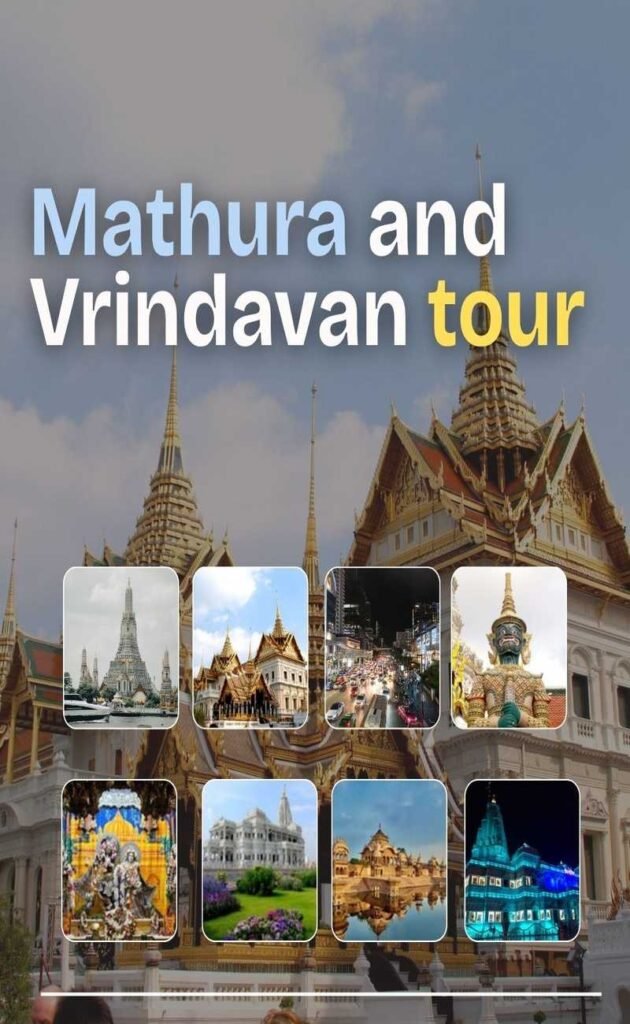
Step into a world where divinity meets history and faith turns into a living experience — welcome to the Mathura Vrindavan tour, your gateway to spiritual awakening. Nestled in the heart of Uttar Pradesh, these sacred twin cities are not just destinations; they are timeless reflections of love, devotion, and culture.At Mathura Hub, we curate personalized Mathura Vrindavan tour packages that allow travelers to rediscover peace, purity, and connection with Lord Krishna’s divine land. From the holy birthplace of Lord Krishna in Mathura to the charming lanes of Vrindavan, where his eternal love and leelas still echo, every corner of this journey fills your soul with serenity and joy.
Mathura, the birthplace of Lord Krishna, and Vrindavan, his playground of divine love, together create one of India’s most cherished spiritual circuits. From ancient temples to vibrant festivals, every street and corner echoes the eternal tales of devotion. Whether you’re traveling for faith, photography, or cultural exploration, this detailed guide by Mathura Hub will help you plan your ideal Mathura and Vrindavan tour — including the best places to visit, ideal time to travel, how to reach, and where to enjoy authentic local food.
The best time to visit Mathura Vrindavan is between October and March, when the weather remains calm and comfortable for sightseeing. The gentle winter breeze adds charm to temple visits and morning aartis. This period also coincides with major festivals like Janmashtami, celebrating Krishna’s birth, and Holi, when the entire Braj region bursts into colors of love and joy.
If you want to see the cities in their most vibrant form, plan your Mathura Vrindavan tour packages during the Holi celebrations in March or Janmashtami in August. However, for those who prefer a quieter experience, February and November are ideal months to explore without heavy crowds.
Planning your Mathura–Vrindavan tour is easy thanks to excellent connectivity from Delhi and nearby cities. The Mathura to Vrindavan distance is around 12–15 km, so travelling between both destinations is smooth and quick.
By Air: The nearest airport is Agra Airport, located about 60 km from Mathura. From there, taxis and private cars are available to reach the city within an hour.
By Train: Mathura Junction is one of North India’s busiest railway stations, linking directly to Delhi, Mumbai, Jaipur, and Varanasi. Vrindavan also has a smaller railway station, about 15 km away.
By Road: The Delhi to Vrindavan distance is around 160 km, which takes roughly 3–4 hours via the Yamuna Expressway. Buses and taxis operate frequently from Delhi, Agra, and Noida.
Local Transport: E-rickshaws and auto-rickshaws are the best ways to explore the narrow temple lanes — especially because Mathura to Vrindavan distance is so short that local travel is very convenient.
A Mathura and Vrindavan tour is incomplete without visiting their sacred temples — each narrating stories from Lord Krishna’s life. Below are the most important places to visit in Mathura and Vrindavan that every devotee and traveler should explore.
The heart of Mathura, this temple marks the exact place where Lord Krishna was born. Inside, you’ll find the prison cell where his divine birth took place. The air here vibrates with chants and devotion — an unmissable stop on every Vrindavan tour.
Dedicated to Lord Krishna, Banke Bihari Temple is one of Vrindavan’s most famous shrines. The idol’s enchanting smile and the lively atmosphere during darshan create a deep sense of connection for devotees.
A modern architectural marvel made of white marble, Prem Mandir celebrates the eternal love of Radha and Krishna. In the evening, a light and sound show brings the temple to life with beautiful depictions of their divine story.
One of the most mystical places to visit in Mathura and Vrindavan, Nidhivan is believed to be the sacred forest where Krishna still performs his Raas Leela every night. Locals say no one stays here after sunset — the aura is divine and mysterious.
Also known as the Sri Sri Krishna-Balaram Mandir, this temple is a hub for spiritual seekers. Participate in the morning kirtans and listen to the teachings of Lord Krishna in a serene atmosphere.
An architectural gem blending Rajasthani and Mughal styles, this temple is dedicated to Lord Krishna in his kingly form. Visit during the Mangla Aarti in the early morning for an unforgettable experience.
These timeless places to visit in Mathura and Vrindavan offer both spiritual solace and cultural depth. Be sure to include them all in your Mathura Vrindavan tour packages for a complete experience.
Plan your divine journey with ease. Follow the sacred path from Krishna Janmabhoomi to Prem Mandir — and feel the devotion at every step.
| Route | Distance | Time |
|---|---|---|
| Krishna Janmabhoomi → Dwarkadheesh Temple | 1.5 km | 5 mins |
| Dwarkadheesh Temple → Vishram Ghat | 0.3 km | 2 mins |
| Vishram Ghat → Banke Bihari Temple | 10 km | 20 mins |
| Banke Bihari Temple → Nidhivan | 1 km | 5 mins |
| Nidhivan → ISKCON Temple | 2 km | 8 mins |
| ISKCON Temple → Prem Mandir | 1 km | 10 mins |
| Prem Mandir → Return to Mathura City | 9 km | 20 mins |
To make your Mathura–Vrindavan tour smooth and memorable, here are some must-follow travel tips — especially knowing that Mathura to Vrindavan distance is very short, so you can easily cover multiple temples in a single day.
Following these simple tips will ensure your Vrindavan tour remains peaceful, respectful, and joyous.
Finding comfortable accommodation is key to an enjoyable pilgrimage. The Mathurahub is among the best hotels in Mathura and Vrindavan, located close to Mathura Junction and major temples. The property offers luxurious rooms, a fine-dining restaurant, and even a taxi service for temple tours.
For devotees booking Mathura Vrindavan packages, staying at The Mathurahub offers both convenience and serenity — perfect for families and solo travelers alike.
A Mathura and Vrindavan tour isn’t just about temples — it’s also a feast for food lovers. The cities are famous for their rich vegetarian delicacies and traditional sweets.
Must-try dishes include:
The spirit of Mathura and Vrindavan shines brightest during festivals. The Holi of Vrindavan is world-famous — not just for colors, but for its divine connection with Radha-Krishna’s love. Similarly, Janmashtami fills Mathura with chants, processions, and temple bells ringing through the night.
Other major celebrations include Govardhan Puja, Radhashtami, and Diwali, when the ghats are illuminated with thousands of diyas. Witnessing these festivals will make your Mathura-Vrindavan tour truly unforgettable.
A journey to Mathura and Vrindavan is not just a vacation — it’s a pilgrimage of the soul. From the peaceful banks of the Yamuna to the lively chants in Banke Bihari Temple, every moment connects you with divine energy.
At Mathura Hub, we craft personalized Mathura Vrindavan tour packages to help you experience this sacred land effortlessly. Whether you’re coming from Delhi or any part of India, our carefully curated Mathura Vrindavan packages include transportation, accommodation, and guided temple visits — ensuring a seamless spiritual journey.
So, pack your devotion and curiosity, and let Mathura Hub guide your steps through the eternal cities of love and divinity.
Book your Vrindavan tour today and rediscover the magic of Krishna’s world.
The best time to visit Mathura Vrindavan is between October and March, when the weather is pleasant for temple visits. Devotees who wish to witness the divine celebrations should plan during Janmashtami (August) or Holi (March) — these are the most spiritually vibrant times in the Braj region.
A 2 to 3-day Mathura and Vrindavan tour is ideal to cover all major temples and ghats at a comfortable pace. Devotees can spend one day exploring Mathura’s sacred sites like Krishna Janmabhoomi and Dwarkadheesh Temple, and another day in Vrindavan visiting Banke Bihari, ISKCON, Prem Mandir, and Nidhivan.
The Delhi to Vrindavan distance is about 160 km, which takes around 3–4 hours via Yamuna Expressway. You can travel by car, taxi, or regular bus service. Mathura Junction also has direct trains from Delhi, Mumbai, Jaipur, and Varanasi. For extra comfort, Mathura Hub tour packages include private transfers and guided temple visits.
These simple steps ensure a smooth, spiritual, and respectful journey.
For devotees looking for both comfort and proximity, Mathura Hub offers stays near Mathura Junction and all major temples. It provides luxurious rooms, local taxi services, and guided temple tours, making it one of the best hotels in Mathura and Vrindavan for pilgrims and families alike.

If there’s one destination in India that perfectly blends spirituality, nature, and adventure, it’s Haridwar and Rishikesh. Nestled along the banks of the sacred River Ganga, these twin towns in Uttarakhand attract millions of travelers, pilgrims, and yoga enthusiasts from across the globe.
Whether you are seeking inner peace, thrilling river rafting adventures, or a divine experience at the famous temples in Haridwar and Rishikesh, this travel guide by Mathura Hub will help you explore the top 10 places to visit in Haridwar and Rishikesh that you simply can’t miss.
One of the most iconic and sacred ghats in India, Har Ki Pauri is where spirituality meets serenity. It is believed that Lord Vishnu left his footprint on a stone here, making it a must-visit pilgrimage site.
Every evening, the Ganga Aarti at Har Ki Pauri transforms the place into a magical spectacle of lights, chants, and devotion. Thousands of devotees float diyas (lamps) on the river, creating a mesmerizing view.
If you want to experience the real essence of Haridwar, Har Ki Pauri should be first on your list.
Triveni Ghat is the most popular bathing ghat in Rishikesh, where the holy rivers Ganga, Yamuna, and Saraswati meet. Pilgrims believe that taking a dip here washes away sins and purifies the soul.
The evening Ganga Aarti at Triveni Ghat is a must-experience event — filled with lamps, devotional music, and pure spiritual energy.
Close to this ghat, you’ll find several Rishikesh temples and mandir in Rishikesh, each with deep mythological importance.
A trip to Rishikesh is incomplete without walking across Laxman Jhula, a famous suspension bridge built over the River Ganga. According to legend, Lord Laxman crossed the river at this very spot using jute ropes.
The bridge offers panoramic views of the Ganges and nearby Rishikesh temples. Around the bridge, you’ll find shops, cafes, and ashrams that capture the peaceful rhythm of life in Rushikesh temple town.
While the original bridge is now closed to vehicles, the charm of standing above the holy river remains timeless.
Located atop the Bilwa Parvat, Mansa Devi Temple is one of the most famous temples near Haridwar. The temple is dedicated to Goddess Mansa Devi, believed to grant wishes to her devotees.
You can reach the temple via a ropeway ride that offers breathtaking views of Haridwar and the flowing Ganges below.
Many visitors tie sacred threads around the temple’s tree to make their wishes come true — a tradition that’s been followed for centuries.
One of the most famous temples in Rishikesh, Neelkanth Mahadev Temple is dedicated to Lord Shiva. Located about 12 km from Rishikesh, it stands amidst dense forests and is surrounded by the valleys of Manikoot, Brahmakoot, and Vishnukoot.
According to mythology, this is the place where Lord Shiva consumed the poison (halahala) that emerged during the churning of the ocean — turning his throat blue, hence the name Neelkanth (the blue-throated one).
The temple’s architecture and the divine energy surrounding it make it a must-visit Rishikesh famous temple for devotees and travelers alike.
When you think of Rishikesh, you think of yoga — and Parmarth Niketan Ashram is its spiritual heart. Located on the banks of the Ganga, this ashram is one of the largest in Rishikesh, offering yoga classes, spiritual talks, and healing sessions.
Every evening, the Ganga Aarti here attracts hundreds of visitors who gather to witness a soul-stirring ceremony of lights and chants.
The ashram is surrounded by lush gardens, calm surroundings, and views of Rishikesh temples, making it one of the top places to visit in Rishikesh.
Unlike traditional temples, Bharat Mata Mandir is dedicated not to any deity but to Mother India. The temple, inaugurated by Late Indira Gandhi, symbolizes national unity and pays tribute to freedom fighters and cultural heroes.
The eight-story temple showcases different facets of Indian history and culture, including depictions of revered saints, philosophers, and leaders.
If you want to experience devotion beyond religion, this temple in Haridwar is a must-visit.
Located near Laxman Jhula, the Tera Manzil Temple, also known as Trayambakeshwar Temple, is one of the most recognized Rishikesh temples. The temple has thirteen floors, each dedicated to different Hindu deities, including Lord Shiva, Vishnu, and Durga.
The architecture is simply stunning, and from the top, you can enjoy breathtaking views of the Ganga flowing below.
Many consider this a famous temple in Rishikesh for its spiritual ambiance and scenic surroundings.
If you’re a nature enthusiast, take a short drive to Rajaji National Park, located between Haridwar and Rishikesh. The park spans over 800 sq km and is home to elephants, tigers, leopards, deer, and more than 400 species of birds.
You can enjoy jeep safaris, photography, and guided tours through the dense forests — a refreshing contrast to the temples and ghats of Haridwar and Rishikesh.
Mathura Hub recommends visiting this park early in the morning for the best wildlife sightings.
Another revered site in Haridwar, Chandi Devi Temple, is perched atop the Neel Parvat on the eastern bank of the Ganga. Dedicated to Goddess Chandi, the temple is one of the Panch Tirth (five pilgrimages) of Haridwar.
You can reach the temple by trekking or by taking a ropeway known as Chandi Devi Udankhatola. The journey offers breathtaking views of the valley below.
Legend says that Goddess Chandi killed two demons, Chand and Munda, at this site — hence the name Chandi Devi.
Besides the top 10, Rishikesh is filled with countless spiritual treasures. Here are a few more Rishikesh temples worth visiting:
Located near Triveni Ghat, this mandir in Rishikesh is dedicated to Lord Rama and is known for its intricate carvings and peaceful atmosphere.
This small yet powerful Rushikesh temple near Laxman Jhula is dedicated to Lord Hanuman. Devotees believe visiting this temple removes obstacles and grants strength.
Situated on a hill about 25 km from Rishikesh, this temple offers panoramic views of the Himalayas. It’s one of the Shakti Peeths and a popular spot for sunrise seekers.
Located on the banks of the Ganga near Laxman Jhula, Geeta Bhawan is more than a mandir in Rishikesh — it’s a cultural center offering free food and shelter to pilgrims.
While Rishikesh is known for its temples and spirituality, it’s also India’s adventure capital. Here’s what you can add to your itinerary along with temple visits:
With such diversity, Rishikesh truly balances devotion and adventure.
Haridwar, meaning Gateway to God, is one of the seven holiest cities in Hinduism. Here’s what makes it special:
Each corner of Haridwar vibrates with chants, devotion, and centuries-old tradition — a place where the divine feels close and real.
For a seamless experience, book your Haridwar and Rishikesh travel packages with Mathura Hub — your trusted partner for spiritual, cultural, and adventure tours across North India.
Mathura Hub specializes in curated spiritual and cultural journeys across India. Whether you’re looking for a peaceful temple tour or a thrilling adventure escape in Rishikesh, we ensure comfort, authenticity, and local experiences.
Our packages include guided visits to all the famous temples in Rishikesh, evening aartis at Har Ki Pauri, and wellness retreats that rejuvenate your mind and soul.
Haridwar and Rishikesh are not just destinations — they are experiences that awaken your inner self. From the divine chants at Rishikesh temples to the calm flow of the Ganga at Haridwar, every moment spent here is a journey within.
Whether you wish to explore mandir in Rishikesh, witness the grandeur of Har Ki Pauri, or meditate at Parmarth Niketan Ashram, this region promises an unforgettable mix of faith, peace, and adventure.
So, pack your bags, open your heart, and let Mathura Hub guide you through the top 10 places to visit in Haridwar and Rishikesh — where heaven meets earth and the Ganga whispers tales of eternity.
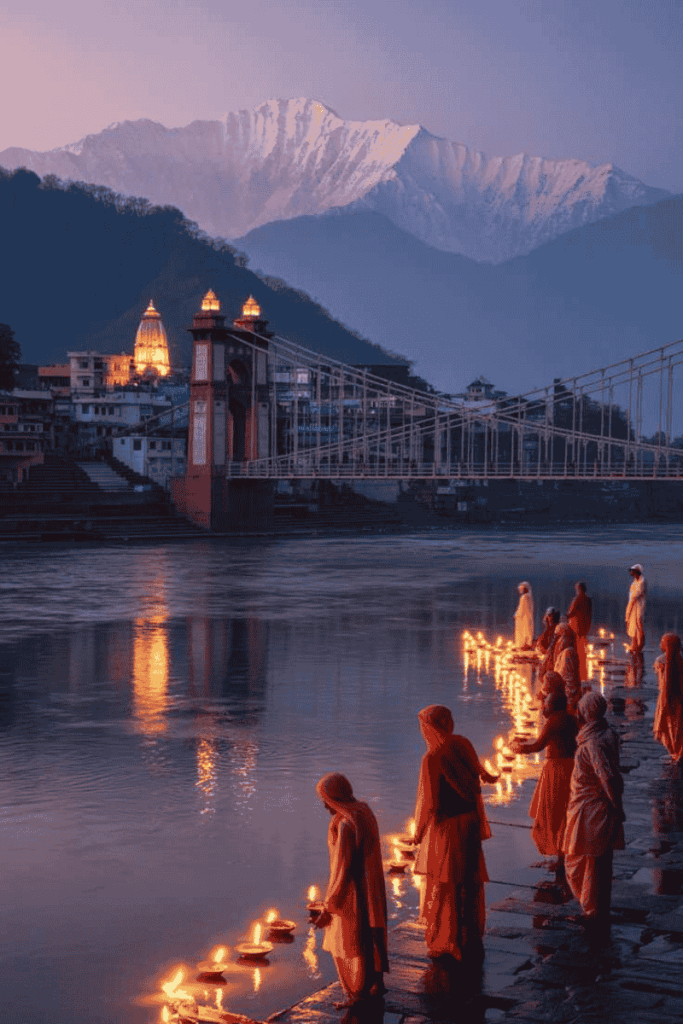
In all matters of spirituality and devotion with serenity, Haridwar and Rishikesh are the most glittering gemstones in the crown of India's sacred places. Made the Gateway of God, these two towns on the banks of the Ganga River have their own share of temples in Rishikesh and Haridwar and are surrounded by millions of devotees, yogis, and tourists from all corners of this globe.
Every single sacred place—from the renowned Rishikesh temples nestled within the hills to the age-old mandir in Rishikesh that rang with chants and bells—can give a tale, as every sacred place tells a story of faith and of ages-old tradition.
This is Mathura Hub Articulate, which will take you on a voyage through the notable temples at Rishikesh and Haridwar—the significance, the history, and the divine experience of such temples as brought to you in this article.
Not only is Rishikesh also known as Rushikesh, but it was also named after the Lord- Vishnu the Lord of the Senses. The town, besides being the Yoga Capital of the World, holds some of the most serene, and quite famous temples in Rishikesh with deep spiritual significance.
A seeker for peace or an admirer of ancient architecture, every name of the Rishikesh temples one comes across narrates a story of devotion and divine power.Here are a few of them that every traveler must include on their list of Rishikesh temples to visit:
It is the temple which stands out among temples in Rishikesh, with the Neelkanth Mahadev Temple dedicated to Lord Shiva, located around 32 km away from Rishikesh and completely buried under thick forests and beautiful valleys.
According to Hindu mythology, this is the temple that is set in Rushikesh where Lord Shiva has taken poison who was born out of the ocean during the Samudra Manthan, which eventually led to his throat getting blue-he earned the title Neelkanth (The Blue-Throated One).
Visiting this mandir in Rishikesh where the chants of Om Namah Shivaya and the fragrance of incense create an aura of peace purifying the soul. Mathura Hub recommends visiting early morning when temple rituals begin in mist and mountain breeze.
It is one of the most iconic temples in Rishikesh and is popularly known as Tera Manzil Mandir. This temple is built near Lakshman Jhula, on the bank of the Ganga and is a very beautiful and pious-looking 13-storey tall building.
Each floor of this temple in Rishikesh is dedicated to different types of deities, such as Lord Shiva, Lord Vishnu, and Goddess Durga. The colorful architecture as well as panoramic views makes it stand out among all the temples present in Rishikesh.
Narratives speak that if pilgrim comes all the way up and offer prayer on each of the thirteen floors, then bless, succeed, and free himself. For devotees and tourists alike, Mathura Hub lists this as a must-visit famous temple in Rishikesh for its divine energy and picturesque setting.
One temple that is mentioned when one speaks of temples in Rishikesh is Bharat Mandir, which historians believe that it is one of the oldest temples in Rishikesh. Founded by Adi Guru Shankaracharya in the 8th century, this temple in Rushikesh is dedicated to Lord Vishnu, who is worshipped here in the form of Hrishikesh Narayan.
To it, the town owes its name, that is: This idol of Lord Hrishikesh is taken on holy bath with sacred waters of the river during Basant Panchami when thousands of devotees gather.
The inner sanctum of the ancient mandir in Rishikesh houses a sacred Shaligram (black stone), believed to have been procured from Dwarka. Mathura Hub recommends this temple for deep historical and spiritual seekers.
Close to that famous bridge, the Lakshman Jhula, there is another famous temple in Rishikesh which has the mythological importance inscribed upon it. It is believed that after the battle with Ravana, Lord Lakshman, brother to Lord Rama, did penance in this area.
The spot of this famous Rishikesh temple is that where Lakshman is purported to have crossed the Ganga using jute ropes, thus giving rise to the famous suspension bridge Lakshman Jhula.
Quiet and meditative, this mandir in Rishikesh embraces the soft whisper of water and the mellifluous chanting of prayers. According to Mathura Hub, visiting this Rushikesh temple during the evening aarti is an unforgettable experience.
Raghunath Temple is among the lesser-known temples of Rishikesh; nevertheless, it stands as a place of spiritual merit dedicated to Lord Rama. With the temple located near Triveni Ghat, it represents devotion and simplicity at its best.
Devotees are said to purify their karma through prayers in this temple, thus being able to enjoy inner peace. The temple is endowed with small shrines erected for Sita, Lakshman, and Hanuman, thus making it a complete household for all concerned.
An excellent recommendation for those visiting Rishikesh is a temple circuit incorporating both famous and hidden temples. Raghunath Temple gives the tranquil ambience with an aura of spirituality to depict the pure essence of the temple culture of Rishikesh.
On a technicality, Triveni Ghat is not a temple, yet it remains the most sacred bathing ghat in Rishikesh and an essential part of the Rishikesh temples circuit. Here, it is believed, the three holy rivers-Ganga, Yamuna, and Saraswati—meet.
Every evening, hundreds gather to witness the magic of Ganga Aarti, where priests wave lamps drowned in a mesmerizing sync with the chants and bhajans.
Mathura Hub recommends that all pilgrims visiting the famous temple here in Rishikesh experience this divine ritual that connects your soul at large with the spiritual energy of the Ganga.
While Rishikesh temples are known for tranquility, Haridwar offers a more colorful, ritualistic experience. Together, they form an inseparable spiritual circuit in the state of Uttarakhand.
Let’s take a glimpse at the famous temples in Haridwar that beautifully complement the temples of Rishikesh.
The most sacred place in Haridwar, this is among the most frequented pilgrimage sites in India. The evening Ganga Aarti here is most mesmerizing-lamps floating along the water, the ringing of bells with the chants in the background.
After finishing the temple tour in Rishikesh, Mathura Hub recommends visiting Har Ki Pauri to have the divine energy in its fullest form.
Perched atop Bilwa Parvat, this temple is dedicated to Goddess Mansa Devi, granting wishes to her devotees. You might get there on a ropeway, which would offer a bird's-eye view of Haridwar city and the Ganga.
This temple completes your journey-the Rushikesh temple circuit through the Shakti Peethas of Uttarakhand.
Chandi Devi Temple, located on Neel Parvat, is one of Haridwar's three Siddha Peeths. It is said that Goddess Chandi defeated the demons here, and visiting here brings strength and courage to her devotees.
This temple at Kankhal, Haridwar, is dedicated to Lord Shiva and holds great mythological significance as the site of the self-immolation by Goddess Sati. A visit to this temple would thus far complete your exploration of the temples in Rishikesh.
In this way, temples in Haridwar and Rishikesh represent such a wondrous mixture of devotion, nature, and spirituality as meet perpetually. Mathura Hub is an appealing compromise for your chartered spiritual journey where all temples of Rishikesh and Haridwar beautifully conspire to create a pilgrimage, where access gets so conveniently facilitated.
Dress respectfully: for the sanctity of any mandir in Rishikesh and Haridwar.
Essentials include : water, Prasad, and a carry bag to stash your footwear.
Attend morning/evening aartis: this is the most charged time with divine energy.
Be respectful during rituals: if in doubt, confirm with locals or temple priests.
Use eco-friendly items: keep the holy space clean.
The journey through the temples of Rishikesh and the celebrated temples of Haridwar turns out to be much more than a walk through sacred architecture; it becomes the link to eternal Indian spirituality. Rishikesh temples—Neelkanth Mahadev, Bharat Mandir, and Lakshman Temple—all resonate with the power to transmogrify the mind and soul.
When you are planning the next spiritual trip, Mathura Hub should be sort of like the guiding light to make the religious trip truly blissful while exploring these magnificent mandirs in the most charming cities of Rishikesh and Haridwar! One has got to feel the tranquility, breathe the devotion, and be led towards the inner bliss by the jingling of temple bells.
When you are planning the next spiritual trip, Mathura Hub should be sort of like the guiding light to make the religious trip truly blissful while exploring these magnificent mandirs in the most charming cities of Rishikesh and Haridwar! One has got to feel the tranquility, breathe the devotion, and be led towards the inner bliss by the jingling of temple bells.
Want to explore the divine beauty of Uttarakhand? Book your Haridwar Rishikesh Tour Package or choose our specially curated Haridwar Rishikesh 3 Days Tour Package for a short yet soulful escape.
You can also start your trip directly from Delhi with our Haridwar Rishikesh Tour Package from Delhi — perfect for weekend travelers seeking peace and devotion.
And if you wish to extend your journey towards divine love, don’t miss our Mathura Vrindavan Tour to experience the eternal charm of Lord Krishna’s land.
Mathura Hub brings you curated temple tours designed to blend devotion, comfort, and discovery. Book now and let your soul travel!
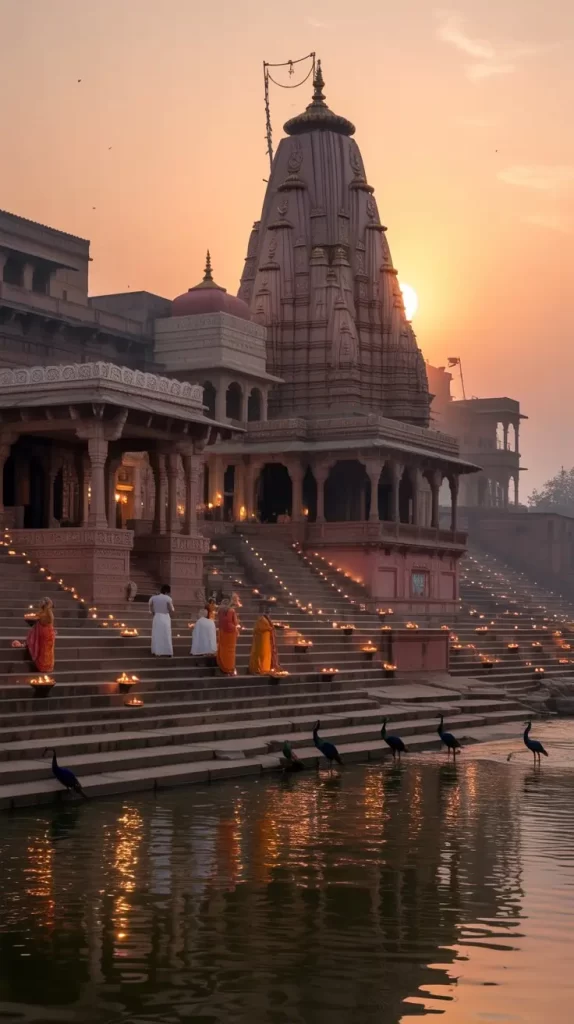
Sri Krishna Janmasthan Mathura Entry Fee
No Entry Fee
Sri Krishna Janmasthan Mathura Phone
+91 9318432550
Rating: | 4/5 stars
Based on total - 85 reviews
Sri Krishna Janmasthan Mathura Address: Mathura - Deeg Marg, Near Deeg Gate Chouraha, Janam Bhumi, Mathura, Uttar Pradesh, 281001, India
| Day | Timing |
|---|---|
| Mon–Sun | 5:00 am – 12:00 pm 4:00 pm – 9:30 pm |
| Type | Timing |
|---|---|
| Summer | 5:00 am – 12:00 pm, 4:00 pm – 9:30 pm |
| Winter | 5:30 am – 12:00 pm, 3:00 pm – 8:30 pm |
| Mangal Aarti | 5:30 am |
| Makhan Bhog | 8:00 am |
| Sandhya Aarti | 6:00 pm |
Visiting a temple purifies the soul, and India is blessed with numerous beautiful temples. Although we are a melting pot of diverse cultures, you'll find numerous ornate Hindu temples scattered across the country. The Shri Krishna Birth Place Temple, dedicated to Lord Krishna, is one of India's most famous temples and a major attraction for devotees. Many visitors also look for Krishna Janmasthan Temple Complex photos to witness the divine architecture before their pilgrimage.
A guru, a philosopher, the child god of a shepherd tribe, a pole star, a knight in shining armor, and for others, a "way of life"—Lord Krishna is the almighty supreme being. He was a gifted sanyasi (a Hindu holy monk), an excellent homemaker, and a formidable leader who ruled over several kingdoms. For pilgrims, knowing the Janma Bhoomi Mathura timings is essential to plan darshan at this sacred site. His 800-year journey has fascinated everyone, beginning as a hero of the Vrishni tribe and culminating with him as the incarnation of Vishnu. These temples spread across India commemorate events that occurred during Lord Krishna's lifetime. Mathura, a city in Uttar Pradesh, is the birthplace of Lord Krishna, and a Mathura and Vrindavan tour allows devotees to explore not only his birthplace but also the divine stories associated with his life.
Mathura is renowned as the abode of Lord Krishna, where he spent his childhood, adolescence, and part of his youth. Mathura, also known as Brijbhoomi, is one of the holiest places in India, home to a large number of Hindu temples. It is renowned for its history, archaeology, religious history, art, and sculpture. Located on the banks of the Yamuna River, it attracts thousands of devotees who often plan a Mathura Vrindavan tour to explore the spiritual charm of the region.
Mathura is near Agra, and its residents are very kind and welcoming, always ready to serve tourists in every possible way. The main languages spoken in Mathura are Brij Bhasha and Hindi. Many pilgrims also visit the Krishna Janmasthan temple complex and check Krishna Janmabhoomi timing details to ensure a peaceful Braj darshan experience.
Mathura is associated with the famous warrior queen Rani Lakshmibai, who fought against the British in 1857. Mathura is also home to numerous Hindu temples and is renowned among Buddhists due to its past as an important Buddhist site. Devotees searching for Janam Bhumi timing often align their visits with temple rituals to immerse themselves in the city’s spiritual aura.
Tourists can hear the melodious sound of flutes throughout the city and experience a wonderful feeling of love and devotion. Holi is Mathura's most prominent Mathura Vrindavan festival, and millions of people from around the world come to experience the joy and excitement of this colorful festival.
You'll find a variety of accommodation options here, including luxury hotels, guesthouses, dharamshalas, and bed and breakfasts. Mathura's specialty is its delicious cuisine, including pera, jalebi, lassi, and kachori.
Mathura is one of India's top spiritual destinations, with its temples, traditions, and divine atmosphere making it a must-visit for every devotee.
Mathura is renowned as the abode of Lord Krishna, where he spent his childhood, adolescence, and part of his youth. Mathura, also known as Brijbhoomi, is one of the holiest places in India, home to a large number of Hindu temples. It is renowned for its history, archaeology, religious history, art, and sculpture. Located on the banks of the Yamuna River, it attracts thousands of devotees who often plan a Mathura Vrindavan tour to explore the spiritual charm of the region.
Mathura is near Agra, and its residents are very kind and welcoming, always ready to serve tourists in every possible way. The main languages spoken in Mathura are Brij Bhasha and Hindi. Many pilgrims also visit the Krishna Janmasthan temple complex and check Krishna Janmabhoomi timing details to ensure a peaceful darshan experience.
Mathura is associated with the famous warrior queen Rani Lakshmibai, who fought against the British in 1857. Mathura is also home to numerous Hindu temples and is renowned among Buddhists due to its past as an important Buddhist site. Devotees searching for Janam Bhumi timing often align their visits with temple rituals to immerse themselves in the city’s spiritual aura.
Tourists can hear the melodious sound of flutes throughout the city and experience a wonderful feeling of love and devotion. Holi is Mathura's most prominent festival, and millions of people from around the world come to experience the joy and excitement of this colorful festival.
You'll find a variety of accommodation options here, including luxury hotels, guesthouses, dharamshalas, and bed and breakfasts. Mathura's specialty is its delicious cuisine, including pera, jalebi, lassi, and kachori.
Mathura is one of India's top spiritual destinations, with its temples, traditions, and divine atmosphere making it a must-visit for every devotee.
The Shri Krishna Janmabhoomi Mathura, also called the Sri Krishna Janmabhoomi Temple, stands on the sacred site where Lord Krishna was born. Inside Shri Krishna Janmabhoomi, devotees witness the divine prison cell where his parents, Devaki and Vasudeva, were once held captive by Kansa. This holy place radiates unmatched spiritual energy, making it one of the most revered pilgrimage destinations in India.
The Krishna Birth Place Temple complex also includes several shrines dedicated to Lord Krishna, each echoing stories from his life. Pilgrims are advised to check Janam Bhumi Mathura timing in advance to plan their darshan. Many visitors also opt for Mathura Vrindavan tour packages to explore not just Krishna’s birthplace but also the vibrant temples of Vrindavan.
Despite being destroyed and rebuilt many times, the temple stands tall as a symbol of faith and devotion. It comes alive during Janmashtami, Holi, Basant Panchami, and Diwali, drawing lakhs of devotees.
Note: Cameras and mobile phones are strictly prohibited, as in most temples across Mathura.
The Sri Krishna Janmabhoomi Temple stands at Deeg Marg, near Deeg Gate Chauraha, Mathura.
Being the birthplace of Lord Krishna, Krishna Janmabhoomi holds a special place in the hearts and souls of Hindus. Krishna's maternal uncle, the tyrannical King Kansa, ruled Mathura at the time of his birth. Devotees planning an Agra Mathura Vrindavan tour plan often include a visit to this sacred site.
Unique Fact – According to legend, an Akashvani (voice of the heavens) prophesied Kansa's death at the hands of Devaki's eighth child. In response, he imprisoned Sri Vasudeva and Mother Devaki and planned to kill all their children. However, Devaki gave birth to Lord Krishna at midnight, in her eighth month of pregnancy. That night, due to a miracle by Lord Vishnu, all the prison doors remained open. Visitors can check Mathura Janambhumi timing or Krishna Janmabhoomi Mathura timings to plan their darshan.
After the birth, Vasudeva carried the infant across the Yamuna River in a basket. Pilgrims can refer to the Krishna Janmasthan Temple Complex directory for temple details and follow the Janam Bhumi Mathura direction to reach this holy site easily.
Image Gallery of Sri Krishna Janmasthan Mathura
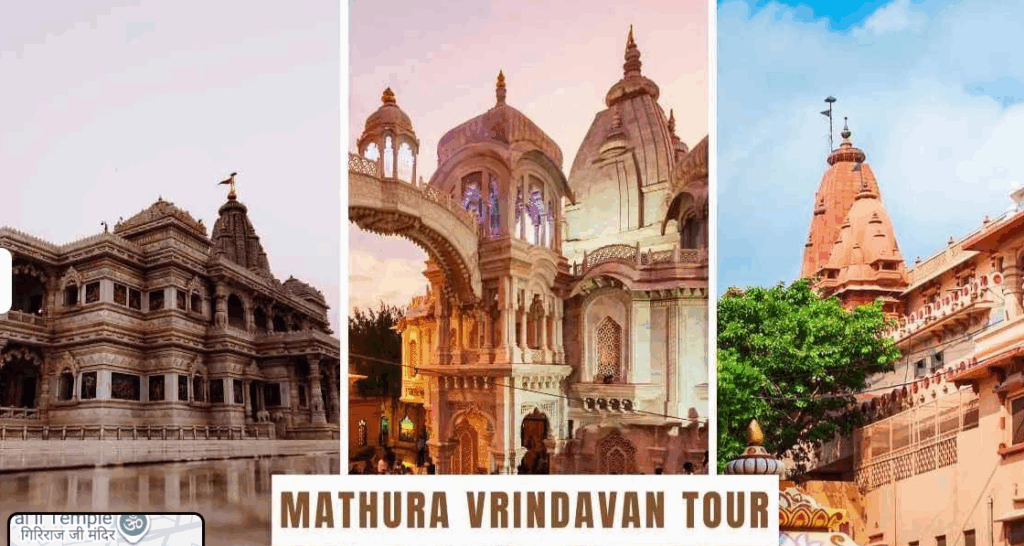
The Shri Krishna Janmabhoomi Temple was built approximately 5,000 years ago by Vajranabh, Krishna's great-grandson. It was then rebuilt around 400 AD, during the reign of Chandragupta Vikramaditya. Mahmud Ghaznavi destroyed it in 1017 AD. Raja Dhurpet Dev Janjua, the emperor of Mathura, rebuilt the temple for the third time in 1150 AD. It was destroyed by Sikandar Lodi of the Delhi Sultanate in the 16th century. Raja Vir Singh Bundela renovated it 125 years later, during the reign of Jahangir, at a cost of 3.3 million rupees. In 1669 AD, Aurangzeb demolished it once again and built a mosque in its place.
When the British captured the city of Mathura in 1815, the temple area was auctioned. On February 21, 1951, the late Mahamana Pandit Madan Mohan Malaviya established the Shri Krishna Janmabhoomi Trust and undertook the task of rebuilding the temple. Devotees planning a Delhi Agra Mathura Vrindavan Same Day Tour often check the Mathura Janambhumi timing or Janam Bhumi timing to schedule their visit.The tireless efforts of many people finally led to the construction of this building. Visitors can refer to the Krishna Janmabhoomi Mathura official website for more details and find the Krishna Janmabhoomi distance from their location to plan a smooth pilgrimage.
The Shri Krishna Janman Bhumi Temple Mathura consists of the Keshavdev Temple, the Garbhagriha, and the Bhagwat Bhavan. Devotees planning a Tour of Mathura Vrindavan often include this temple in their itinerary. Those looking for organized visits can choose Mathura Vrindavan tour packages from Delhi for a hassle-free experience.
Keshavdev Temple: Ramakrishna Dalmia built the Keshavdev Temple south of the Shahi Eidgah in honor of his mother, Jathia Devi Dalmia. Construction began on June 29, 1957, and it was inaugurated by Hanuman Prasad Poddar on September 6, 1958.
Garbhagriha Temple: This is the site of Krishna's prison cell, where he was born. Visitors can see a marble pavilion and an underground prison cell with a large veranda. Nearby is a temple dedicated to the eight-armed goddess Yogmaya. Pilgrims can check the Timing of Krishna Janmabhoomi Mathura or Lord Krishna birthplace temple timings before visiting.
Bhagavata Bhavan: Dedicated to the Shrimad Bhagwat, this temple was completed on February 11, 1965. It houses six-foot-tall statues of Radha and Krishna, along with the Balarama, Subhadra, and Jagannath temples to the right, and the Rama, Lakshmana, and Sita temples to the left. Statues of Hanuman, Durga, and Shivalinga are also present. Ceiling, wall, and pillar paintings depict Krishna and his disciples, with Bhagavad Gita inscriptions along the circumambulation path.
Potra Kund: Southeast of the temple, the Potra Kund, or sacred pond, marks the place where baby Krishna bathed for the first time after birth. Mahadji Scindia built the steps in 1782, and they were repaired by his ancestors in 1850. Pilgrims often include this in their visit to the Mathura Sri Krishna Temple.
Paintings and Architecture
You can experience unique architecture and artwork inside the Lord Krishna birthplace Temple Mathura, depicting all important events in Lord Krishna's life. The intricate craftsmanship and vibrant colors bring the entire Krishna Janmasthan Temple Complex to life. Many visitors also search for Krishna Janmasthan Temple Complex photos to admire its beauty before visiting.
Celebrations at the Shri Krishna Birth place Temple
Janmashtami: To feel the energy and devotion, visit Mathura during Janmashtami. The city streets and temple complex come alive, creating a unique experience. Devotees check Janma Bhoomi Mathura timings to plan their visit. The temple is decorated with lights, flowers, and special attire for Lord Krishna and Radha, and professional artists enact scenes from Krishna’s childhood.
Holi Celebration: Holi is one of Mathura’s most colorful festivals. Folk singers perform devotional songs at the temple, while theatrical performances depict the story of Holika and Prahlad. Visitors planning to experience the vibrant festivities can look forward to Holi in Mathura & Vrindavan 2026, which promises grand celebrations across the city and temple complexes.
Basant Panchami: The Lord Krishna birthplace Temple Mathura is adorned with yellow and gold clothing. Saffron kheer and yellow rice are served as special offerings, and the city celebrates with vibrant decorations.
Deepawali: During Diwali, Mathura is illuminated with dazzling lights, and locals offer prayers and sweets. Tourists often plan a visit as part of a Mathura Vrindavan Gokul experience or choose a Gokul Mathura Vrindavan Tour Package from Delhi to witness the celebrations firsthand.
Radha Ashtami: Radha Ashtami is a joyous festival that marks the birth of Goddess Radha. Devotees celebrate this occasion with great devotion at the Shri Krishna Janmabhoomi Temple in Mathura, where bhajans and Radha-Krishna songs fill the atmosphere. Pilgrims visiting during this time often plan a Mathura Vrindavan Govardhan Tour, which allows them to experience not only the divine celebrations but also the spiritual aura of nearby holy places. Many travelers also include Mathura Govardhan Barsana in their itinerary, visiting Govardhan Hill for parikrama and Barsana, the birthplace of Radha. Together, these sacred destinations create a soulful journey filled with devotion and cultural heritage.
Numerous Jhankis (uniquely decorated processions) carrying idols of Radha and Krishna adorned with beautiful jewelry and clothing pass through the city. You can also enjoy offerings such as Panjiri, Rajbhoj, Mathri, Sakalpara, Gujhiya, and more. Devotees often plan their trip to also visit Shri Dwarkadhish Temple Mathura, another significant temple nearby.
Gopashtami: This festival commemorates the event when Krishna became the first independent cowherd. People celebrate this festival in the month of Kartik and pay homage to the cows. Then, cowherds take the cows, beautifully decorated with Lord Krishna, to the Krishna Janmabhoomi Temple.
Sharad Purnima: At the Krishna Janmasthan Temple in Mathura, locals celebrate Sharad Purnima with great joy and enthusiasm. During this festival, you can enjoy Raas Leelas (folk songs and dances) throughout the night in the temple premises. The festival is part of the broader cultural experience, which is highlighted in Famous Tourist Attractions in Vrindavan and attracts visitors booking the Best Mathura Vrindavan Tour Packages.
Dishes to Try near the Radha Krishna temples in Mathura:
Mathura Peda, a sweet dessert made from condensed milk, is a local specialty of Brajbhoomi… The Land of Shri Lord Krishna. Other dishes include kachori, jalebi, chaat, panipuri, samosa, dhokla, aloo tikki, and lassi. Traditional North Indian cuisine is also available here. Brijwasi Mithaiwale is the most famous restaurant near the Shri Krishna Janmasthan Temple, along with Dosa Plaza.
Entry to the sacred Shri Krishna Janmabhoomi Temple is completely free, making it accessible for all devotees. The temple timings vary with the seasons to ensure a smooth and peaceful darshan experience.
Summer Months (April to November): Aarti is performed from 5:00 AM to 12:00 PM and 4:00 PM to 9:30 PM, while the sanctum sanctorum is open for vrindavan temple darshan timing from 5:00 AM to 9:30 PM.
Winter Months (November to April): Aarti timings are 5:30 AM to 12:00 PM and 3:00 PM to 8:30 PM, with darshan of the sanctum sanctorum available from 5:30 AM to 8:30 PM.Special Highlight: Don’t miss the serene Mangal Aarti at 5:30 AM, an unforgettable spiritual experience that fills the temple with divine energy and devotion.
By Road – Mathura is a famous city in Uttar Pradesh, well connected to other cities in the state. It is a popular tourist destination offering numerous public and private modes of transportation.
By Rail – Mathura has two key railway stations – Mathura Junction and Mathura Cantt – well connected to trains across Uttar Pradesh and India. You can hire a private taxi from top car rental companies in Mathura-Vrindavan or take an autorickshaw to reach the Shri Krishna Birth Place Temple.
By Air – Mathura is approximately 2.5 hours from New Delhi. The nearest airport is Indira Gandhi International Airport in Delhi, and private taxis are available to reach Mathura directly.
The Lord Krishna birthplace is one of the largest and most famous temples in Mathura. Devotees exploring the city often include visits to Temples in Govardhan, Temples in Nandgaon, Visit Temples in Barsana, and Temples in Mathura in their itinerary.
Plan your Mathura and Vrindavan vacation with our Mathura Vrindavan Local Tour Packages. Tourists from Delhi often choose the Gokul Mathura Vrindavan Tour Package from Delhi to explore Mathura, Vrindavan, and Gokul in a single trip. Experience the spiritual beauty of Mathura Vrindavan Gokul and immerse yourself in the divine atmosphere of Krishna’s birthplace.
At Mathura-Vrindavan Tourism, a division of HolidaysDNA, we offer packages that include tours to popular sightseeing spots in Mathura and Vrindavan at the best rates. Pack your bags for an unforgettable spiritual journey today! For more details, please fill out the contact us form.
No ticket is required. Entry is free, making the temple accessible to every devotee.
You can personally meet Premanand Ji Maharaj by visiting his ashram during scheduled satsangs, pravachans, or spiritual gatherings. It is advised to check the timings in advance and follow the ashram rules for darshan.
The distance is approximately 14 kilometers, and the journey usually takes 30–45 minutes depending on traffic and mode of transport.
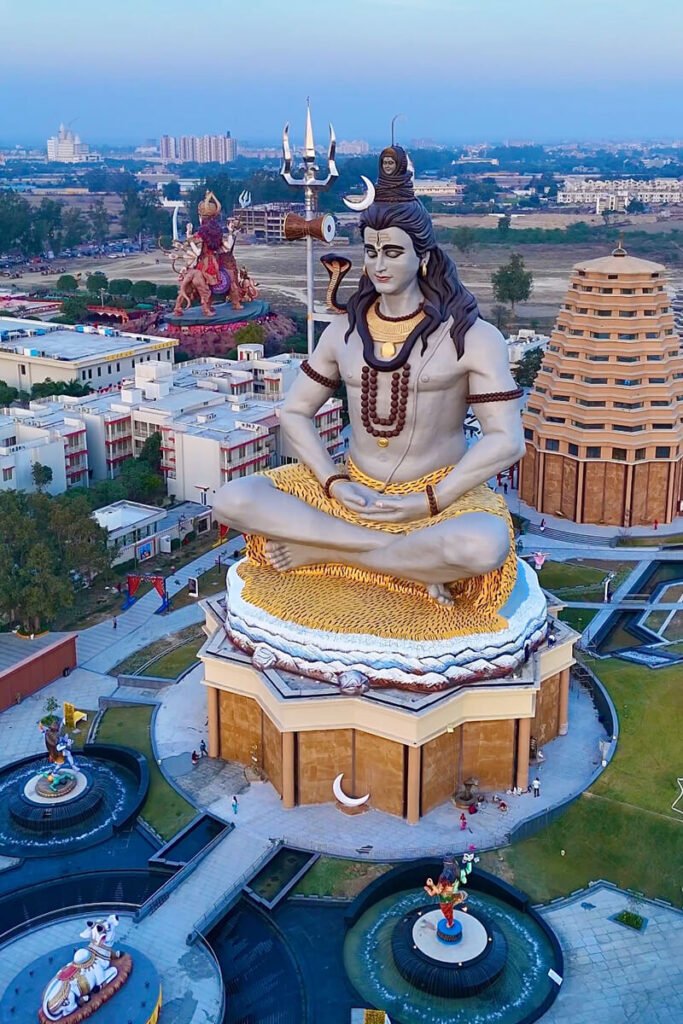
Nestled in the sacred town of Vrindavan, Char Dham Temple is a spiritual gem that draws devotees and tourists alike. Built as a symbolic representation of the four sacred pilgrimage sites—Badrinath, Dwarka, Jagannath Puri, and Rameswaram—this temple offers a unique experience where visitors can witness all four dhams in one place.
About Char Dham Temple Vrindavan
Char Dham Temple is a recent architectural marvel located near Prem Mandir in Vrindavan. It was developed to give devotees an opportunity to experience the essence of the Char Dham Yatra without having to travel across the country. The temple beautifully replicates the distinct architectural styles of the four original dhams and promotes the teachings of Sanatan Dharma.
Each section of the temple has been designed with intricate detailing to resemble the ambiance and spiritual energy of the actual pilgrimage sites.
Char Dham Temple is located near Prem Mandir Road, Vrindavan, Uttar Pradesh. The temple is easily accessible by:
Local e-rickshaws and taxis are available for easy travel within the town.
Spiritual Significance
Char Dham Temple Vrindavan serves as a spiritual gateway, especially for those unable to undertake the Char Dham Yatra across India. It emphasizes the message of unity in devotion and simplifies access to the divine energies of all four dham deities.
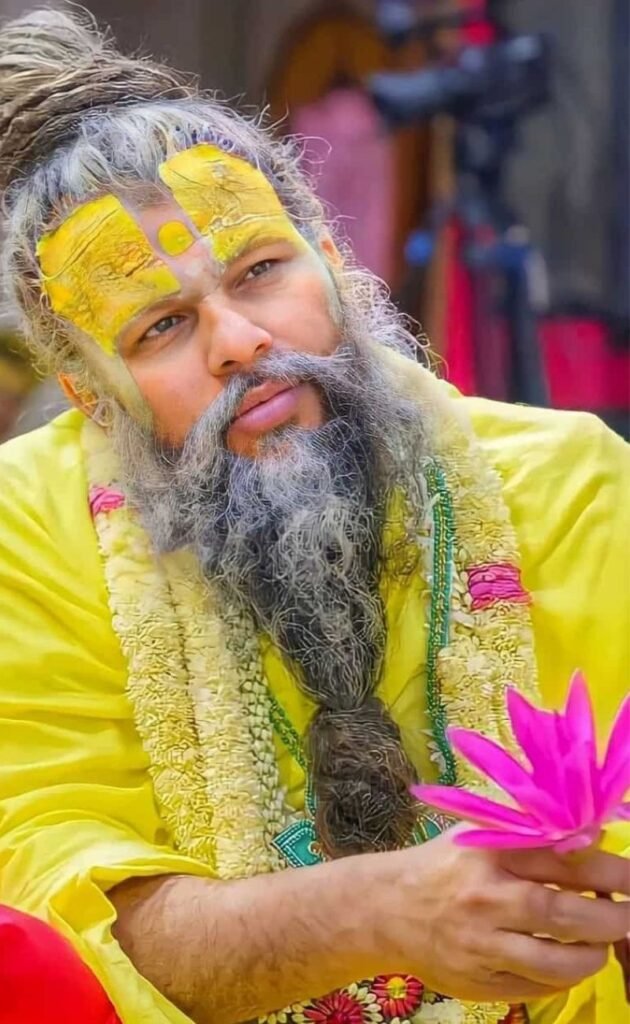
If you’ve ever wondered how to meet Premanand Ji Maharaj in Vrindavan, this guide will take you closer to that divine experience. Premanand Ji Maharaj exemplifies one of the greatest living saints of our modern time. He lives in the very core of Vrindavan—the holy land of Radha and Krishna—a must-visit destination for anyone planning a Mathura and Vrindavan tour.
With his divine radiance, immense knowledge of the scriptures, and selfless service to Lord Krishna, Maharaj Ji continues to inspire thousands of seekers on the path of Bhakti (devotion).
Premanand Ji Maharaj is a saint deeply immersed in Krishna Bhakti, known for his heart-melting discourses, pure character, and lifelong renunciation. Unlike other public figures, he leads a very simple, quiet, and secluded life, focusing solely on devotion, meditation, and inspiring others toward divine love. For those planning a spiritual trip through a Mathura Vrindavan package from Delhi, visiting the sacred land where Maharaj Ji resides can be a truly soul-enriching experience.
His teachings are mostly drawn from:
Many followers describe being in his presence as transformative, even if words are few. Hence, meeting him even once is considered a deep blessing.
As of recent years, Premanand Ji Maharaj stays in seclusion at Vrindavan, mostly in areas around Raman Reti or on the outskirts of Nandgaon, depending on the time of year.
Note: There are many fake pages and WhatsApp groups claiming to represent Maharaj Ji. He does not manage any personal digital accounts.
If you’re planning to visit Vrindavan to experience the divine presence of Premanand Ji Maharaj, reaching his ashram is simple and peaceful—just like the journey itself. Whether you’re coming from Delhi, Agra, or Mathura Junction, here’s how you can reach it easily.
| Mode | Details |
|---|---|
| 🚆 By Train |
Nearest Station: Mathura Junction (MTJ) — around 12 km from Vrindavan. From Mathura Junction: • Shared Auto / E-Rickshaw: ₹40–₹70 per person • Private Taxi / Cab: ₹250–₹400 Ask the driver to drop you near Raman Reti or Premanand Ji Maharaj Ashram area. Local residents are familiar with his satsang locations around Raman Reti or Parikrama Marg. |
| 🚌 By Road |
From Delhi to Vrindavan: 160 km (via Yamuna Expressway) Drive Time: 2.5–3 hours You can book a Mathura Vrindavan tour package from Delhi through MathuraHub for a comfortable journey. From Agra: 65 km (1.5 hours by road) |
| ✈️ By Air |
Nearest Airport: Indira Gandhi International Airport (DEL), New Delhi — around 160 km from Vrindavan. From the airport, take a cab or train to Mathura Junction, then continue by road to Vrindavan. |
While Maharaj Ji does not host open public events or camps in a commercial or scheduled way, there are a few meaningful and respectful ways through which seekers can hope to meet him.
Premanand Ji Maharaj occasionally appears at select private satsangs or small devotional gatherings, often in Vrindavan, Barsana, or Nandgaon. These are never advertised widely but may be known to:
How to Attend:
Important Note: Entry to his satsangs is based on spiritual sincerity, not status or money. Always approach with humility.
In rare cases, Maharaj Ji allows devotees to visit or serve at his residence or ashram. This is typically:
How You Might Be Invited:
Types of Seva:
This is not a tourist activity. It is a privilege of grace, offered only to those truly seeking spiritual growth.
If you're truly serious about meet Premanand Ji Maharaj, spend time in Vrindavan living a simple, sattvic, devotional life. Often, Maharaj Ji meets only those who are inwardly ready—not just curious.
Steps to Take:
With time, locals may notice your sincerity and guide you organically to places or people connected to Maharaj Ji.
Even if you don’t meet him in person, you can immerse yourself in Premanand Ji Maharaj’s wisdom through:
While Maharaj Ji rarely writes books or maintains a YouTube channel himself, some trusted sources online share his Bhagavata Katha or Radha Krishna Leela talks. Approach these with reverence, not for entertainment.
Since Premanand Ji Maharaj lives a non-commercial, renounced life, approaching him requires immense humility and respect.
Do's:
Don’ts:
Whether you meet Premanand Ji Maharaj or not, the essence of his teachings lies in:
Just living by these principles will bring you spiritually closer to him.
Many seekers misunderstand spiritual darshan as a visual meeting. In truth, Premanand Ji’s presence can be felt deeply even without a conversation. Sitting quietly near his satsang, serving silently in Vrindavan, or even listening to his voice can trigger divine longing.
True darshan means opening your heart to the Guru’s vibration, not merely touching his feet for a photo.
In the end, meeting Premanand Ji Maharaj is not just about reaching a saint — it is about connecting with your own soul. His divine teachings guide seekers toward love, surrender, and oneness with Lord Krishna. Even if your feet never walk to his ashram, your heart can still follow the sacred paths of Vrindavan, where every sound whispers the name of Radha and Krishna.
Let Mathurahub be your trusted companion on this spiritual journey. Whether you wish to explore the Mathura Vrindavan tour, experience the serenity of the Gokul Mathura Vrindavan tour, or enjoy a one day Mathura Vrindavan tour, we are here to guide every step. For travelers coming from Delhi, our Mathura Vrindavan package from Delhi offers a soulful and comfortable experience.
✨ Begin your spiritual journey today — plan your Vrindavan visit with Mathurahub and let the divine love of Radha and Krishna awaken in your heart. Explore more sacred paths, temples, and experiences on Mathurahub, your ultimate guide to Mathura and Vrindavan.
Visit Vrindavan, especially Raman Reti area, and attend his satsangs announced locally. Meetings happen only through devotion and grace.
There’s no fixed timing — usually early morning or evening during satsangs. Confirm with local devotees in Vrindavan.
Reach Raman Reti or Parikrama Marg, inquire at nearby temples or ashrams, and attend his satsangs with humility.
He lives a secluded life in Vrindavan, mostly near Raman Reti or Nandgaon, away from publicity or social media.
Yes, but only through grace and true devotion. Personal meetings are rare and not arranged online or commercially.
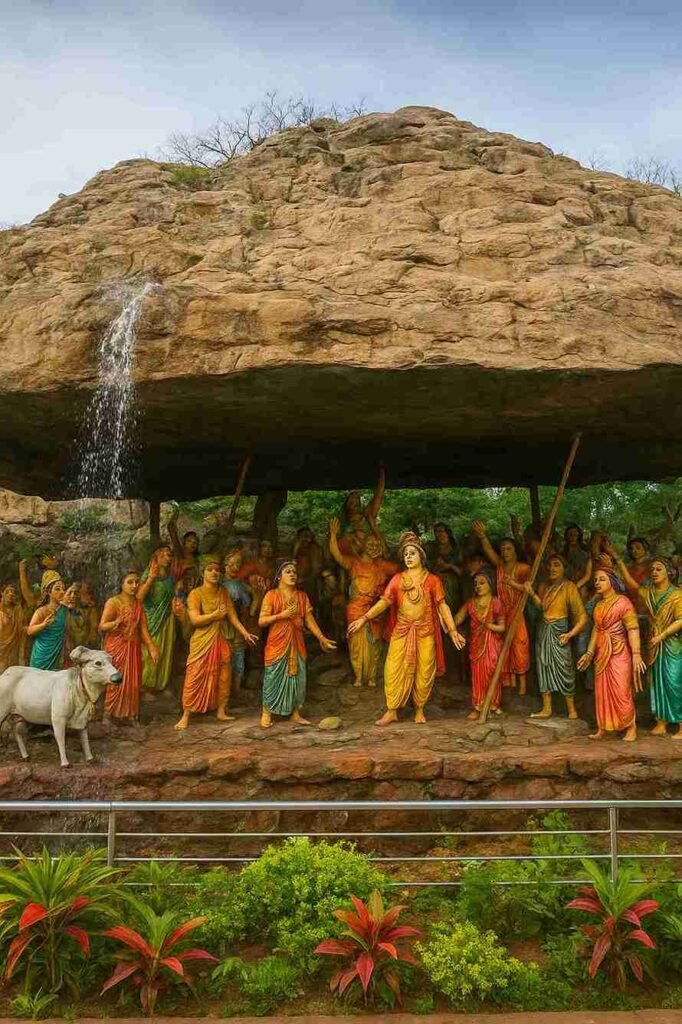
Nestled in the heart of Braj, Govardhan Hill (गोवर्धन पर्वत मथुरा) is a living testament to devotion, faith, and timeless legends. For centuries, pilgrims have journeyed here to experience its spiritual energy, witness sacred rituals, and walk along the holy paths that echo stories from Lord Krishna’s childhood. From the miraculous tale of Krishna lifting the hill to protect the villagers, to the vibrant celebrations of Govardhan Puja, every corner of the hill reflects a rich blend of history, mythology, and cultural heritage. Visitors are drawn not only by its spiritual significance but also by the serene landscapes, ancient temples, and tranquil water bodies that make each step a moment of reflection and devotion.
Exploring Govardhan Hill offers more than just sightseeing; it is an immersive experience that connects travelers to centuries of tradition. Taking part in the revered parikrama, meditating by sacred ponds, or joining local rituals allows one to engage deeply with the spiritual essence of the region. Mathura Hub guides visitors with practical tips, historical insights, and curated experiences, ensuring a seamless and memorable journey for everyone.
The story of Govardhan Vrindavan is intricately linked to Krishna's childhood. Legend says that to protect villagers of Vraj from Indra's wrath, seven-year-old Krishna lifted the hill with his little finger and held it like an umbrella for seven days. This act of divine power turned Govardhan into a symbol of protection, devotion, and love.
Govardhan Hill, also known as Govardhan Giri, is made of sandstone, spreading over 38 kilometers in perimeter with a height of 80 feet. It is said to have manifested from Krishna’s heart in Goloka, creating a playground for Krishna and his companions, including cows, gopas, and gopis. Today, pilgrims honor these traditions by performing Govardhan Parikrama, a ritual that reflects spiritual devotion and cultural continuity.
This sacred hill is central to many local stories, festivals, and rituals, making it a key destination for anyone visiting the Braj region. Travelers and devotees on a Mathura Vrindavan tour can experience both the spiritual and cultural essence of the area, exploring historical temples and participating in traditional festivities.
Govardhan Puja is celebrated the day after Diwali and represents gratitude and abundance. Devotees offer Annakut at Giriraj Mandir Mathura, which symbolizes the hill itself. During the festival, special Govardhan temple timings are observed, allowing visitors to take part in spiritual and cultural events. Pilgrims on a Gokul Mathura Vrindavan Tour can witness these rituals firsthand and gain deeper insight into local traditions.
The Annakut ritual involves offering a variety of dishes to the deity, reflecting the community’s devotion and love for Krishna. It connects devotees with the divine stories of Vraj and is considered an important part of the pilgrimage experience. Families and solo travelers alike find this festival spiritually uplifting. Guided tours provided by Mathura Hub help visitors understand the historical and religious significance behind each ritual, making the experience more meaningful.
Govardhan Temple is a holy 21-kilometer walk around Govardhan Hill in Mathura. Pilgrims start near Giriraj Temple and walk clockwise, visiting sacred spots like Radha Kund, Shyama Kund, Kusum Sarovar, and Surabhi Kund. Each place allows them to pray, reflect, and connect with Lord Krishna’s stories.
The Govardhan Parikrama timing usually begins early in the morning, around 5:00–6:00 AM, to avoid heat and crowds. Walking early lets devotees enjoy the calm and peaceful atmosphere. Many walk barefoot as a sign of devotion, while others use bicycles or cars for some sections. The walk can take a few hours depending on the pace and stops. Pilgrims should carry water, light snacks, and wear comfortable shoes. Completing the parikrama gives them a sacred and deeply meaningful experience.
Places and temples to visit in govardhan
The heart of Govardhan Hill’s spiritual life is Giriraj Temple, also known as Govardhan Mandir Timing. Open from 7:00 AM to 7:00 PM, the temple welcomes devotees for darshan, offerings, and prayers. Its traditional architecture and rituals give visitors a glimpse into centuries of devotional practices, making it a key stop for anyone exploring the area.
These sacred ponds are peaceful places for meditation, prayer, and reflection. Many visitors take a holy dip or quietly sit by the water, connecting with the spiritual energy of the hill and Krishna’s pastimes.
Kusum Sarovar offers a calm spot for meditation, while Madhavendra Puri Baithaka provides insight into the lives of revered Vaishnava saints. Both sites add depth and meaning to a visit, whether on a short or full-day trip.
Exploring these attractions allows travelers to experience the spiritual, cultural, and historical essence of Govardhan Hill while enjoying a serene and meaningful journey.
Private taxis, buses, and self-drive options are available. Joining a One Day Mathura Vrindavan tour or a Mathura Barasana Govardhan same day tour provides convenience, guidance, and a stress-free travel experience.
The journey from Prem Mandir to Govardhan Hill covers about 24 kilometers and takes roughly 40–50 minutes by car or taxi. This scenic route winds through the beautiful Braj region, offering glimpses of lush fields, traditional villages, and local culture. Along the way, travelers can stop at small temples, soak in the spiritual atmosphere, and enjoy the serene landscapes.
Including this route in your visit makes the trip more meaningful, whether you are on a full-day tour or a shorter Mathura Vrindavan excursion. The drive not only connects two important pilgrimage sites but also sets the tone for a spiritually enriching and memorable journey through the heart of Braj.
A: Krishna lifted the hill to protect Vraj villagers from Indra’s wrath.
A: Approximately 21 km; can be completed on foot, bicycle, or car.
A: October to March, during Diwali and Govardhan Puja.
A: Giriraj Temple, Radha Kund, Shyama Kund, Kusum Sarovar, Madhavendra Puri Baithaka.
A: Join local events or book a Gokul Mathura Vrindavan Tour.
Govardhan Hill is a place where history, devotion, and culture come together. Walking around the hill, visiting sacred ponds like Radha Kund and Shyama Kund, and offering prayers at Giriraj Temple provide a truly spiritual and memorable experience. Travelers can enjoy a guided tour to explore the area comfortably while learning about its rich traditions and stories. Mathura Hub helps visitors make the most of their journey, combining spiritual insight, cultural exploration, and a smooth, hassle-free experience.
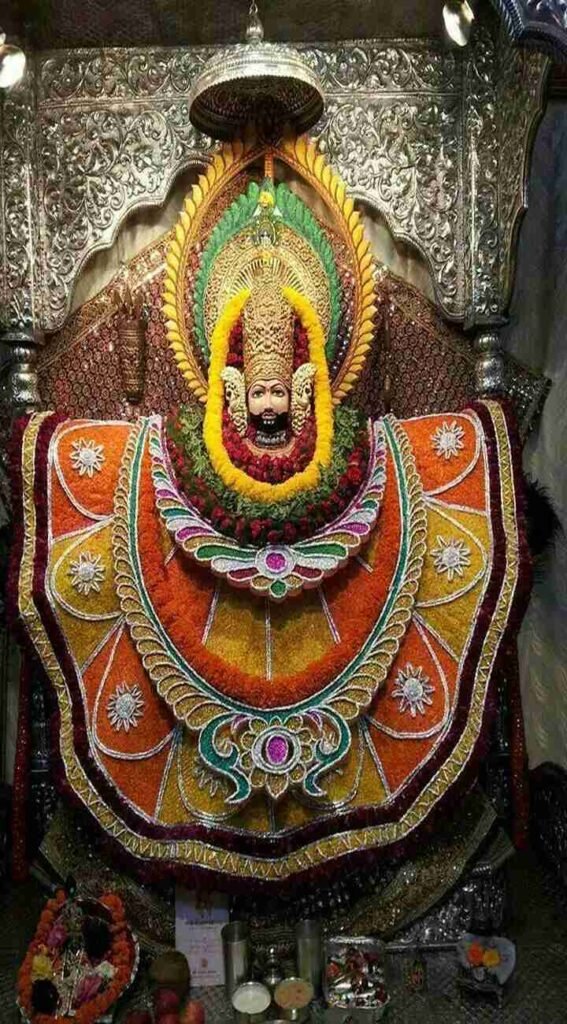
Some places in India touch the heart, inspire devotion, and stay with you forever. Khatu Shyam Temple in Sikar, Rajasthan, is one such sacred spot. Known as Shyam Baba Mandir, it draws millions of devotees seeking blessings, hope, and spiritual peace. From the holy Shyam Kund to the revered Charan Mandir, every corner of Khatu Shyam tells a story of faith, devotion, and timeless culture. This guide by MathuraHub will help you explore Khatu Shyam tourist places, hidden gems, local experiences, and practical tips to make your visit truly unforgettable.
The Toran Dwar at Khatu Shyam Temple is not just an entrance—it’s a symbolic gateway to faith and devotion. As you step through, the intricate Rajasthani carvings and colorful motifs tell stories of Shyam Baba, inspiring awe and reverence. Devotees often pause here to offer prayers and feel spiritually connected, leaving behind worldly worries and preparing their hearts for darshan. It marks the beginning of a sacred journey, setting the tone for a deep, soulful experience inside the temple.
Khatu Shyam Ji, worshipped as the God of Kalyug, is none other than Barbarik, the brave grandson of Bhima. Known for his sacrifice and devotion, he offered his head to Lord Krishna before the Kurukshetra war. Pleased, Krishna blessed him: “In Kali Yuga, you will be worshipped as Shyam Baba, the fulfiller of wishes.”
Since then, Khatu Shyam Mandir has become a divine home for millions who come with faith and leave with hope. The sacred Shyam Kund, believed to heal and purify, adds to the temple’s unmatched spiritual aura.
Timing your visit can enhance your experience immensely. The best time to visit Khatu Shyam Ji is October to March, when Rajasthan enjoys mild temperatures and pleasant weather.
Visiting during these months allows you to explore Khatu Shyam near tourist places comfortably while experiencing the spiritual and cultural aura of the temple.
Pro Tip: If you prefer a quieter visit with fewer crowds, consider weekdays during the off-season months.
Visiting Hours & Darshan Rules
Understanding Khatu Shyam Darshan timings and rules ensures a smooth and spiritually fulfilling experience.
Temple Timings:
Important Rules:
These simple tips help ensure a spiritual and serene visit.
Reaching Khatu Shyam Mandir is convenient, with multiple options from Delhi, Jaipur, and other cities.
6. Lohargal, Khachariyawas & Salasar Balaji Temple
Unique Experiences & Hidden Gems
If you love nature, you can visit a nearby hill area close to Khatu Shyam. The hills around the temple, part of the Aravalli range, are great for short treks, relaxing picnics, and enjoying beautiful sunrises and sunsets. It’s a peaceful place to enjoy nature along with your spiritual visit.
1. Where is Khatu Shyam Mandir?
Khatu Shyam Mandir is located in Khatu village, Sikar district, Rajasthan. It is a famous pilgrimage site dedicated to Shyam Baba, attracting millions of devotees every year. The temple area includes Shyam Kund and Charan Mandir, offering a serene and spiritually fulfilling experience for visitors.
2. What is the distance from Delhi to Khatu Shyam?
Khatu Shyam Temple is approximately 300 km from Delhi. By road via NH48, it takes around 6–7 hours depending on traffic. The temple is also accessible by train or air via Jaipur, making it convenient for first-time pilgrims and travelers planning a spiritual and cultural trip to Rajasthan.
3. What is the best time to visit Khatu Shyam Ji?
The ideal time to visit Khatu Shyam Ji is from October to March, when the weather is pleasant and comfortable. Festivals like Phalguna Mela bring vibrant celebrations, rituals, and fairs, providing visitors with a rich cultural and spiritual experience while avoiding the extreme heat of Rajasthan summers.
4. How to reach Khatu Shyam from Delhi?
You can reach Khatu Shyam Temple from Delhi by road, train, or air. By road, it takes 6–7 hours via NH48. By train, the nearest station is Ringas Junction (RGS), 17 km away. By air, fly to Jaipur International Airport, then hire a taxi or rent a car to reach the temple.
5. What are the top things to do in Khatoo, Rajasthan?
In Khatoo, visitors can explore Khatu Shyam Temple, take a holy dip in Shyam Kund, visit Charan Mandir, enjoy scenic hills, and explore local markets. Sampling Rajasthani street food, shopping for handicrafts, and visiting nearby attractions like Harshnath and Jeen Mata Temple add to a memorable cultural and spiritual experience.
6. What are the ways to reach Khatu Shyam?
Khatu Shyam is easily reachable via road, train, and air. Major cities like Delhi, Jaipur, and Sikar are well-connected. Roads via NH48 are popular for self-drive and taxis. Ringas Junction is the closest railway station, while Jaipur Airport is the nearest airport, offering flexibility and convenience for all types of travelers.
Travel Tips for a Memorable Visit
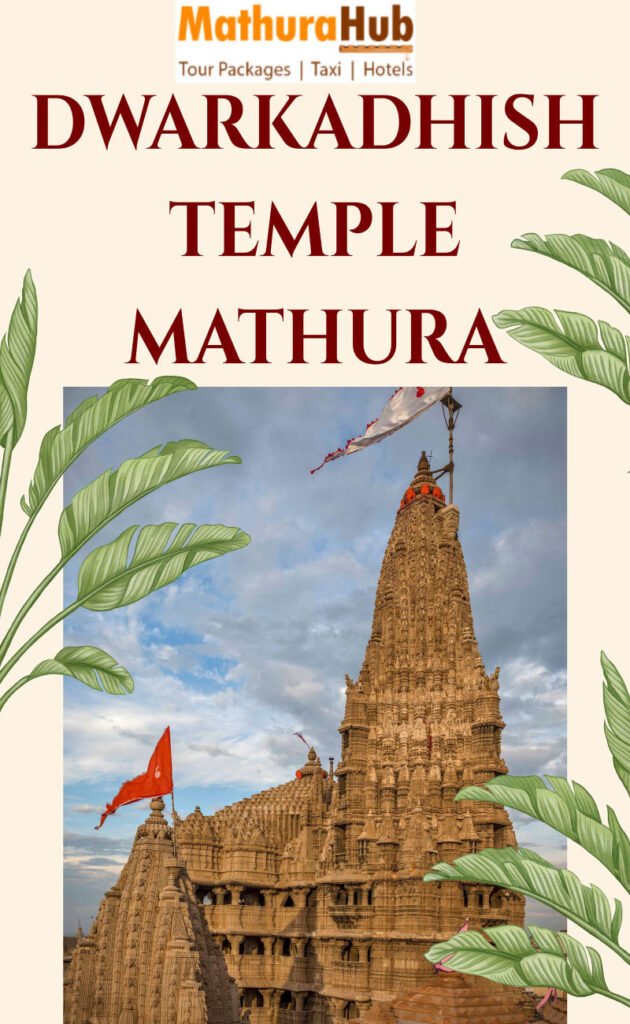
Mathura, the birthplace of Lord Krishna, is home to many sacred temples, and Shri Dwarkadhish Temple Mathura is one of the most revered among them. Devotees from across India visit this temple to seek blessings and experience the spiritual aura of Dwarka Krishna Mathura. If you are planning a visit, this guide covers everything you need to know—from Dwarkadhish Temple Mathura timings to its history, photos, and travel tips. Many travelers also explore Mathura tour packages or Mathura Vrindavan tour options to make the most of their visit. For those looking for a complete experience, Mathura Vrindavan tour packages are a convenient way to enjoy both cities without hassle.
The Dwarkadhish Mandir Mathura was constructed in the 19th century by a devoted follower of Lord Krishna. The temple’s name, “Dwarkadhish,” refers to Krishna as the King of Dwarka. Its intricate carvings, beautiful paintings, and traditional architecture reflect the devotion and cultural heritage of Mathura.
Over the years, the temple has become a central hub for spiritual gatherings and celebrations, especially during festivals like Janmashtami. Every corner of this temple echoes the divine stories of Dwarka, Krishna, and Mathura, making it a must-visit for devotees and tourists alike..
Knowing the Dwarkadhish Mandir timing is essential to plan your visit effectively. The temple opens early in the morning and remains accessible till late evening. Here is a general schedule:
| Activity | Old Timing | New Timing |
|---|---|---|
| Morning Darshan | 5:00 AM - 12:00 PM | 5:30 AM - 12:00 PM |
| Afternoon Break | 12:00 PM - 4:00 PM | 12:00 PM - 4:00 PM |
| Evening Darshan | 4:00 PM - 9:00 PM | 4:00 PM - 8:30 PM |
| Mangla Aarti | 05:00 | 05:30 |
| Shringar Aarti | 07:00 | 07:30 |
| Raj Bhog | 10:00 | 10:00 |
| Sandhya Aarti | 18:00 | 17:30 |
| Shayan Aarti | 21:00 | 20:30 |
Visiting during the aarti hours gives you the most spiritual experience. Festivals and special occasions may have extended timings, so it’s good to check before you visit.
Mathura is one of India’s oldest and most sacred pilgrimage destinations. Devotees from all over the country and abroad visit Mathura and Vrindavan to experience the devotion of Shree Krishna. If you want a complete Mathura Vrindavan tour, we can help you plan it. Check out our travel itineraries that include meals, comfortable accommodation, transportation, and a guided sightseeing experience. We offer Mathura tour packages from cities like Delhi, Agra, Jaipur, Mumbai, Lucknow, Gurgaon, and many more.
The Shri Dwarkadhish Temple Mathura is located in the heart of Mathura city. Here’s how you can reach:
The Dwarkadhish Temple Mathura is known for its stunning architecture and vibrant paintings. The temple has a beautifully carved main entrance, a spacious courtyard, and a sanctum where Lord Krishna is worshiped as Dwarkadhish.
For photographers and devotees, the temple offers countless visual delights. From intricate carvings to vibrant murals, every corner tells a story of devotion and art. Remember to respect temple rules while taking pictures.
Climbing the steep steps to enter the majestic temple, visitors are immediately greeted by five beautifully carved pillars. These pillars elegantly divide the courtyard into three sections: the right side designated for women, the left side for men, and the central lane reserved for those holding VIP passes. Along this central pathway, a large donation box stands ready for devotees to offer their gifts to the Lord.
These sites are all within easy reach of Shri Dwarkadhish Temple Mathura.
Q1: What are the Dwarkadhish Temple Mathura timings?
A: The temple opens from 5:30 AM to 12:00 PM and 5:00 PM to 7:30 PM. Aarti timings are the best for a spiritual experience.
Q2: How far is Dwarkadhish Mandir from Mathura railway station?
A: About 2 km, easily reachable by taxi or auto-rickshaw.
Q3: Is photography allowed inside the temple?
A: Photography is allowed in designated areas. Respect the temple rules.
Q4: What is the history of Dwarkadhish Mandir?
A: Constructed in the 19th century, the temple honors Lord Krishna as the King of Dwarka and showcases intricate architecture and murals.
The Shri Dwarkadhish Temple Mathura is not just a place of worship but a center of history, culture, and art. Whether you are a devotee seeking blessings or a traveler exploring Mathura, this temple promises a memorable experience. Plan your visit according to the Dwarkadhish Mandir timing, explore its history, and capture the beauty in your photos of Dwarkadhish Temple Mathura.Visiting this sacred place will give you a deeper connection with Dwarka Krishna Mathura and the rich spiritual heritage by Mathura Hub.
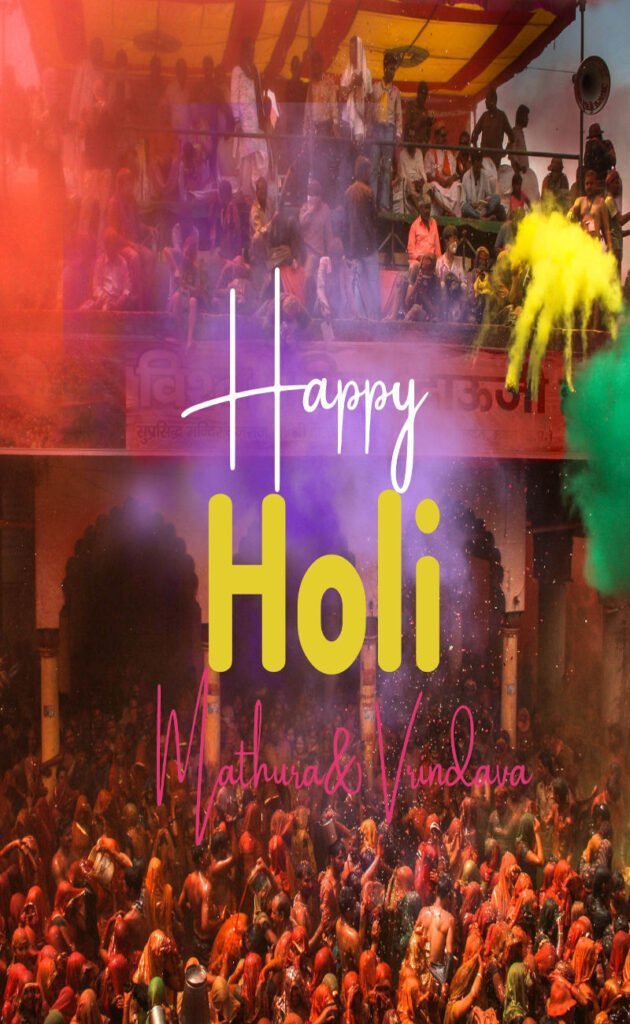
Holi in Mathura & Vrindavan 2026 will be celebrated from 27th February to 4th March 2026, with the main events—Holika Dahan on 3rd March and Rangwali Holi on 4th March. The celebrations begin a week earlier with Barsana Lathmar Holi and end with colorful festivities in Mathura and Vrindavan temples. It is one of the most unique and spiritual Holi experiences in India.
Holi in Mathura-Vrindavan is not just a festival — it is Krishna’s divine leela unfolding before your eyes. Every ghat, every temple, and every narrow street of Braj becomes a canvas of devotion and colours. From the playful Banke Bihari Vrindavan Holi to the grand celebrations at the Dwarkadhish Temple in Mathura, the energy is beyond compare.
And if you’re asking, how many days Holi is celebrated in Mathura-Vrindavan, the answer is: almost two weeks of non-stop festivities. The journey begins with Rangbhari Ekadashi, followed by the famous Barsana Lathmar Holi, the enchanting Phoolon wali Holi in Vrindavan, and finally reaches its peak with Holika Dahan on March 3, 2026, and Rangwali Holi on March 4, 2026.
Here, Holi is not just played — it is lived, sung, danced, and felt in every heartbeat of Braj Bhoomi.
To enjoy the best of Braj Holi, booking Holi in Mathura Vrindavan is highly recommended. These packages often include comfortable stays, guided temple visits, Holika Dahan events, Rasleela performances, and Rangwali Holi celebrations, ensuring you experience the festival without hassle. Whether you prefer a one-night stay or a two-night immersive, these curated experiences are perfect for first-time visitors or returning devotees.
The best time to visit Mathura Vrindavan Holi is a few days before the main celebration on 3–4 March 2026. Starting from Rangbhari Ekadashi, followed by Barsana Lathmar Holi, Phoolon Wali Holi in Vrindavan, and ending with the grand Dhulandi Holi in Mathura, arriving early ensures you don’t miss any of the iconic events.
How to reach Mathura Vrindavan during Holi is important to plan, as the streets are crowded during peak festival days.
For authentic Braj Holi experiences, visiting Barsana and Nandgaon is a must.
Use this Braj Holi travel guide to plan your itinerary, choose the right temples, and time your visits:
Celebrate Braj Holi 2026 with this detailed itinerary covering Barsana, Nandgaon, Vrindavan, Mathura, and Gokul. Each destination in Braj brings alive Lord Krishna’s playful spirit through vibrant traditions, colors, music, and devotion.
| Day & Date | Event | Location | About |
|---|---|---|---|
| 27 February 2026, Friday | Barsana Laddu Holi | Shri Radha Rani (Sriji) Temple, Barsana | At Radha Rani’s temple, devotees celebrate Laddu Holi by joyfully throwing laddus at one another, symbolizing Krishna’s playful love and the divine bond of Radha and Krishna. |
| 28 February 2026, Saturday | Barsana Lathmar Holi | Main Holi Ground, Barsana | The world-famous Lathmar Holi is celebrated as women playfully chase men with sticks while men sing songs in Krishna’s honor. This unique tradition recreates the playful battle of Radha and Krishna. |
| 1 March 2026, Sunday | Nandgaon Holi | Nand Bhawan, Nandgaon | In Nandgaon, Krishna’s childhood village, Holi is celebrated with colors, songs, and playful Lathmar traditions. Devotees gather at Nand Bhawan to relive Krishna’s youthful mischief. |
| 2 March 2026, Monday | Vrindavan Phoolon Ki Holi | Banke Bihari Temple, Vrindavan | At Banke Bihari Mandir, devotees celebrate Phoolon ki Holi, where flowers replace colors. The temple fills with petals, music, and chanting, creating a divine atmosphere of devotion. |
| 2 March 2026, Monday | Mathura Holi | Shri Krishna Janmabhoomi Temple, Mathura | Mathura, Krishna’s birthplace, hosts a grand Holi celebration. Devotees gather at Janmabhoomi Temple, offering colors, dances, and music in joyous devotion to Lord Krishna. |
| 3 March 2026, Tuesday | Gokul Holi | Gokul & Raman Reti | The holy town of Gokul, where Krishna spent his childhood, celebrates Holi with vibrant colors, singing, and devotional dances, recreating Krishna’s playful pastimes. |
| 3 March 2026, Tuesday | Holika Dahan | Dwarkadhish Temple, Mathura | The evening of Holika Dahan at Dwarkadhish Temple marks the triumph of good over evil. A sacred bonfire is lit, followed by prayers, rituals, and joyous gatherings. |
| 4 March 2026, Wednesday | Dhulandi (Rangwali) Holi | Dwarkadhish Temple, Mathura | The grand finale of Braj Holi 2026! At Dwarkadhish Temple, devotees play with gulal, sing traditional songs, and dance with pure devotion to Lord Krishna, making this the most colorful celebration in the world. |
Q.1: What is the Holi Date of 2026?
A: Holika Dahan is on 3 March 2026, and Rangwali Holi is on 4 March 2026.
Q.2: How many days Holi is celebrated in Mathura?
A: Around 15 days — from Rangbhari Ekadashi to Rangwali Holi.
Q.3: Which is the best temple for Holi in Vrindavan?
A: Banke Bihari Temple for Flower Holi, and ISKCON for family-friendly Holi.
Q.4: What are the Vrindavan Mandir Timings during Holi?
A: Most temples open early (5–8 AM) and extend darshan till 9–10:30 PM.
The Mathura Vrindavan Holi Dates 2026 mark not just a festival but a divine journey into Krishna’s land. With this guide to the Braj Holi 2026 Schedule, Vrindavan Holi Celebration, Vrindavan Temple Timings, and Mathura Temple Timings, you can plan a smooth and unforgettable pilgrimage.
Celebrate Holi in 2026 where it all began — in the sacred land of Braj, drenched in devotion, music, and colors that stay in your heart forever.
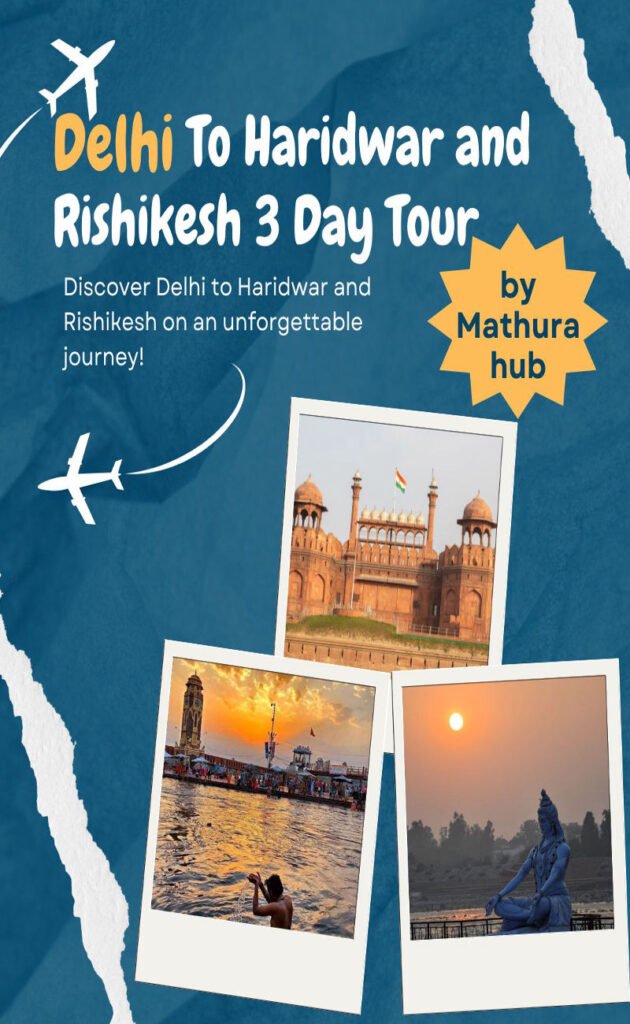
Looking for a perfect balance of spirituality and adventure near Delhi? A journey from Delhi to Haridwar and Rishikesh offers exactly that. Haridwar, known as the gateway to the holy Ganga, is famous for its sacred temples and the mesmerizing evening Ganga Aarti at Har Ki Pauri. On the other hand, Rishikesh, the Yoga Capital of the World, welcomes travelers with its peaceful ashrams, yoga retreats, and a touch of thrill through activities like river rafting, bungee jumping, and camping by the Ganga. Surrounded by the tranquil Himalayan foothills, this trip provides a refreshing mix of devotion and excitement, making it ideal for families, spiritual seekers, and adventure enthusiasts alike.
Arranging a trip on your own can be challenging. A well-structured Haridwar Rishikesh Tour Package from Delhi ensures:
Whether you're searching for a Delhi to Rishikesh Tour Package for adventure or a Delhi to Haridwar Tour Package for spiritual exploration, combining both cities offers you the best of Uttarakhand.
Best Time to Plan Your Rishikesh Trip from Delhi
Picking the right time can improve your travel experience:
If you are reserving a Rishikesh Package from Delhi for adventure sports, October to March is highly suggested.
For religious visitors, festivals such as Makar Sankranti, Ganga Dussehra, or Kartik Purnima make Haridwar truly divine.
3 Days Haridwar Rishikesh Itinerary
This day is ideal for those reserving a Delhi to Haridwar Tour Package focused on temples and rituals.
Day 2: Haridwar to Rishikesh
This day highlights the spiritual charm of a Haridwar Rishikesh 3 Days Package.
Day 3: Adventure in Rishikesh & Return to Delhi
This completes the perfect Rishikesh trip plan, mixing devotion with adventure.
Cost & Inclusions of Haridwar Rishikesh 3 Days Package
When reserving with MathuraHub, your package usually covers:
A Haridwar Rishikesh Tour Package from Delhi can cost approx Rs.9100 to Rs.12,500 per person, depending on the mode of transport, hotel grade, and group size.
Travel Tips for Your Delhi to Rishikesh Tour Package
These tips help ensure your Rishikesh Tour Package from Delhi is seamless and memorable.
Why Book with MathuraHub for Your Haridwar Rishikesh Tour?
MathuraHub specializes in spiritual and cultural trips across India. Choosing us for your Haridwar Rishikesh 3 Days Package grants you:
Book your Delhi to Haridwar and Rishikesh Tour Package with MathuraHub today and experience a trip that combines devotion, culture, and adventure.
Conclusion
A trip from Delhi to Haridwar and Rishikesh is more than a simple vacation – it’s a spiritual journey combined with exciting adventures. With this 3 Days Haridwar Rishikesh itinerary, you can discover sacred temples, see the beauty of the Ganga Aarti, explore yoga and meditation, and feel the thrill of river rafting.
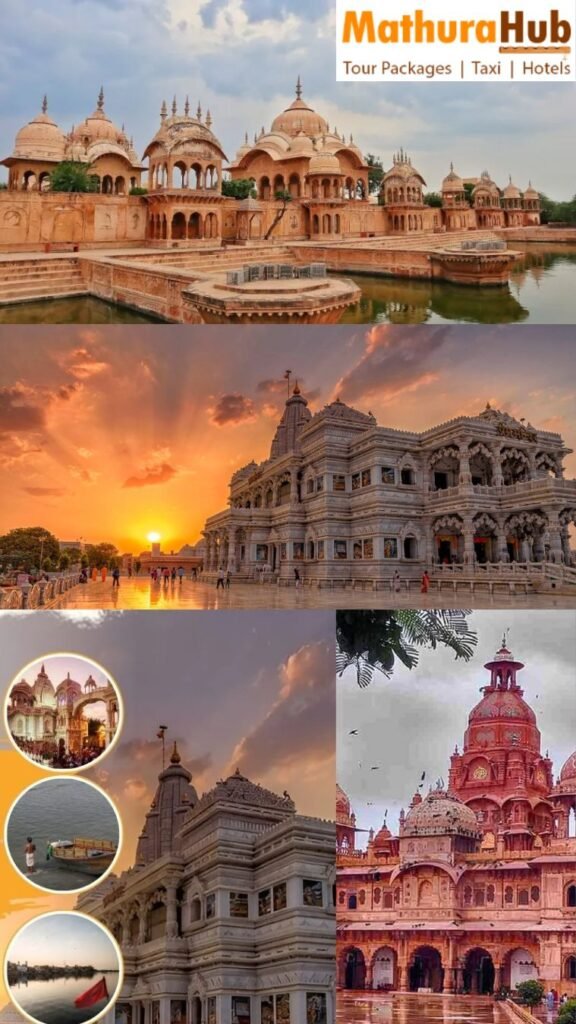
Sitting on the banks of the holy River Yamuna, Vrindavan is not a mere city but a holy place loved and devoted to the activities of Lord Krishna and Radha, which reverberate in each lane. Vrindavan is the Land of Divine Love and gains millions of tourists and pilgrims annually. The town has a rich mixture of mythology, culture, and harmony with ancient temples, mystical forests, and colorful ghats.
Vrindavan is a famous pilgrimage, and there are people not just of religious orientation but other travelers who travel to the city mainly use or leisure and to visit the top 10 famous Vrindavan tourist attraction sites.
The Banke Bihari Temple is the most revered and visited temple in Vrindavan. Dedicated to Banke Bihari Ji, a charming form of Lord Krishna, the temple is known for its unique style of worship, where the curtain is drawn every few seconds to protect devotees from being overwhelmed by the deity's beauty.
Location: Banke Bihari Temple, Loi Bazaar, Vrindavan, Uttar Pradesh
Timings: Varies by season (generally 7:30 AM to 12 PM & 5:30 PM to 9:30 PM)
Highlights:
Founded by Srila Prabhupada, this serene temple complex is an international hub for Krishna devotees. Clean, organized, and devotional, it houses deities of Krishna-Balaram, Radha-Shyamsundar, and Gaura-Nitai.
Location: Raman Reti, Vrindavan, Uttar Pradesh
Timings: 4:30 AM–1:00 PM & 4:00 PM–8:30 PM
Highlights:
Constructed entirely of white Italian marble, Prem Mandir is a modern architectural marvel dedicated to Radha-Krishna and Sita-Ram. The temple is particularly famous for its musical fountain show and illuminated night views.
Location: Prem Mandir, Chattikara Road, Vrindavan, Uttar Pradesh
Timings: 5:30 AM–12:00 PM & 4:30 PM–9:00 PM
Highlights:
One of the oldest temples in Vrindavan, Radha Raman Mandir houses a self-manifested deity of Krishna, which appeared from a Shaligram Shila. The temple is spiritually rich and holds deep significance among Gaudiya Vaishnavs.
Location: Radha Raman Ghera, Vrindavan, Uttar Pradesh
Timings: 8:00 AM to 12:30 PM & 6:00 PM to 8:30 PM
Highlights:
Nidhivan is a mystical forest believed to be the divine site where Radha-Krishna perform Raas Leela every night. Locals and priests claim no one can stay here after dusk without facing divine consequences.
Location: Nidhivan, Near Banke Bihari Temple, Vrindavan, Uttar Pradesh
Timings: 6:00 AM–7:00 PM
Highlights:
Seva Kunj is another sacred garden where it is believed Radha-Krishna used to meet for divine pastimes. Devotees visit for peace, meditation, and glimpses into divine love traditions.
Location: Parikrama Marg, Vrindavan, Uttar Pradesh
Timings: 5:00 AM–9:00 PM
Highlights:
Built in 1876, this temple stands out due to its marble architecture, sculpted columns, and an intricate darbar hall called Basanti Kamra. It’s less crowded but visually stunning.
Location: Shahji Temple Road, Vrindavan, Uttar Pradesh
Timings: 8:00 AM to 11:00 AM & 5:00 PM to 7:00 PM
Highlights:
This historic ghat is where Lord Krishna is believed to have killed the demon Kesi. It's one of the most scenic places in Vrindavan, offering a combination of spirituality and natural beauty.
Location: Keshi Ghat, Vrindavan, Uttar Pradesh
Timings: Open all day; Aarti around sunset
Highlights:
This temple is unique, as the deity of Radha is represented by a crown placed beside Lord Krishna, symbolizing her eternal spiritual presence. It's a must-visit for those interested in Radharani-centric worship.
Location: Radha Vallabh Marg, Vrindavan, Uttar Pradesh
Timings: 7:30 AM to 11:00 AM & 5:00 PM to 9:00 PM
Highlights:
A relatively modern multi-storey temple dedicated to various forms of Lord Krishna and Ram, Pagal Baba Mandir is architecturally impressive and offers panoramic views from the upper levels.
Location: Chhatikara Road, Vrindavan, Uttar Pradesh
Timings: 6:00 AM–12:00 PM & 4:00 PM–9:00 PM
Highlights:
One of the most sacred and ancient temples in Vrindavan, Gopeshwar Mahadev Temple is dedicated to Lord Shiva, who is worshipped here in his form as a devotee of Lord Krishna. According to legends, Lord Shiva took the form of a gopi (female devotee) to participate in the divine Raas Leela of Shri Krishna. The temple is a powerful spiritual spot, especially revered by Shaivites and Vaishnavites alike.
Location: Near Vamsivat, Vrindavan, Uttar Pradesh
Timings: 5:00 AM–12:00 PM & 4:00 PM–9:00 PM
Highlights:
If you have more time, consider these experiences:
Vrindavan is more than just a town—it’s a living, breathing experience of devotion, heritage, and eternal love. Each of these top 10 tourist attractions offers a window into the divine world of Radha and Krishna. Whether you’re on a spiritual quest or a cultural trip, Vrindavan tour promises memories that stay etched in your heart forever.
So pack your bags, bring an open heart, and get ready to walk in the footsteps of the Lord Himself.
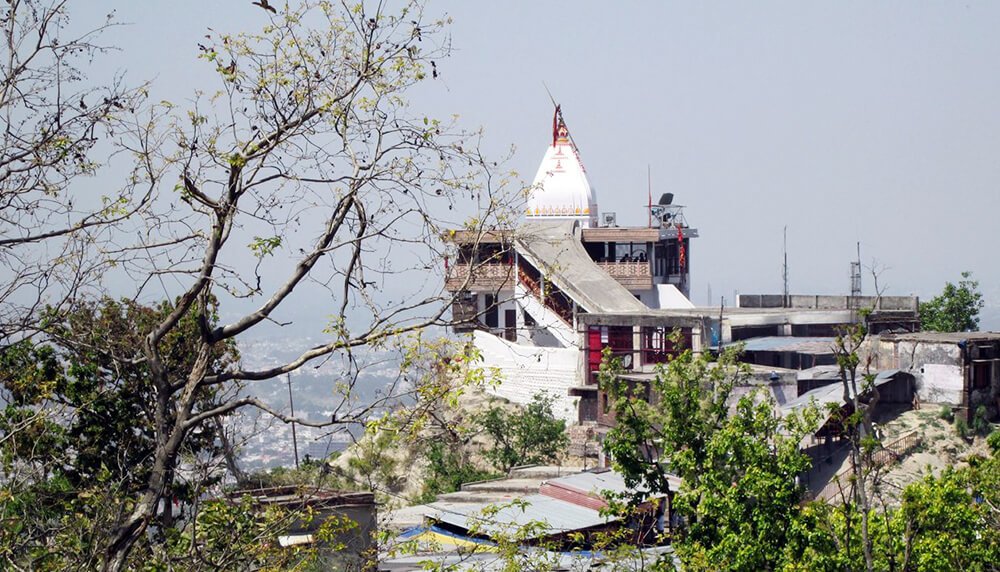
Perched gracefully atop the Neel Parvat hill in Haridwar, Chandi Devi Temple is more than just a spiritual destination — it's a soul-stirring experience that blends mythology, devotion, and breathtaking Himalayan vistas. Revered as a Siddh Peetha, this sacred temple draws lakhs of pilgrims and spiritual seekers each year who come to seek the blessings of Goddess Chandi Devi, a fierce form of Maa Durga.
Whether you’re a devotee walking barefoot up the ancient hill path or a traveler soaking in the panoramic cable car ride, a visit to Chandi Devi Temple becomes a memory etched in both heart and spirit.
The temple’s origins are steeped in rich mythology from the Devi Mahatmya (part of the Markandeya Purana). It is believed that Goddess Chandi was created by the gods to destroy the powerful demon kings Shumbha and Nishumbha who had taken control of the heavens. After a fierce battle on the Neel Parvat, the Goddess emerged victorious, bringing peace and order to the celestial world.
The temple stands at the very site where Goddess Chandi is said to have rested after her triumph. It’s not just a temple — it’s a living testament to feminine divine energy, courage, and victory over darkness.
Chandi Devi Temple reflects traditional North Indian temple architecture — simple yet spiritually immersive. The main sanctum houses the awe-inspiring idol of Goddess Chandi, sculpted in black stone and believed to be Swayambhu (self-manifested).
While the temple doesn’t boast extravagant designs, its charm lies in its serene environment and the raw connection devotees feel with the divine. The chants of “Jai Mata Di”, the aroma of incense, and the rhythmic ringing of temple bells create an atmosphere that instantly uplifts the soul.
There are two primary ways to reach the Chandi Devi Temple:
Along with Mansa Devi Temple and Maya Devi Temple, Chandi Devi forms the powerful Tridevi triangle in Haridwar. Devotees often visit all three temples during their pilgrimage to seek the complete blessings of the divine feminine energy.
The temple also falls under the Shakti Peethas, making it a vital destination for those following the Shakti worship traditions in India.
The tranquil yet powerful energy of the temple invites deep introspection and healing. Many devotees report a sense of emotional clarity and peace after offering prayers here.
Being situated on a hilltop, the temple offers panoramic views of Haridwar city, the meandering Ganges River, and the distant Shivalik hills — making it a favorite among photographers and nature lovers too.
Chandi Devi is regarded as Siddh Peetha, a place where the wishes of sincere devotees are fulfilled. It's common to see people tying threads or offering coconuts in hopes of their prayers being answered.
Whether you're traveling with elderly parents or on a personal spiritual retreat, Chandi Devi Temple caters to all - thanks to its accessibility and peaceful ambiance.
The temple witnesses grand celebrations during:
During these times, the temple is decorated with flowers, lights, and festive fervor that you must experience at least once in a lifetime.
While visiting Chandi Devi Temple, consider exploring:
A visit to Chandi Devi Temple Haridwar is not just a pilgrimage; it's a soulful experience—one that merges mythology, devotion, and nature in perfect harmony. Whether you go seeking blessings, peace, or just a break from routine life, the temple offers something deeply transformative.
In today’s fast-paced world, Chandi Devi Temple reminds us of the eternal power of faith, the grace of the divine feminine, and the serenity that comes from connecting with our roots.
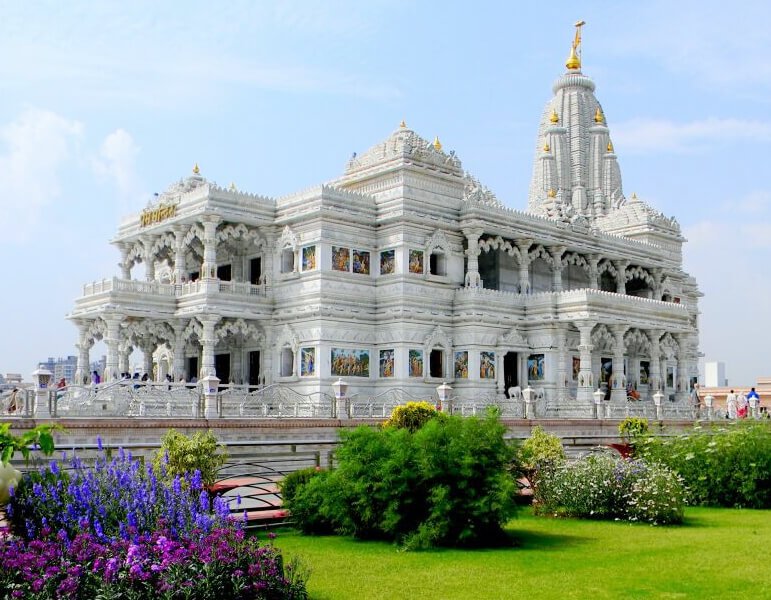
Looking for a spiritual getaway that brings peace to your soul and unforgettable memories to your heart? Explore the divine charm of Braj Bhoomi with our specially curated Mathura Vrindavan tour packages from Delhi. These sacred towns, steeped in mythology and devotion, are home to ancient temples and the living legends of Lord Krishna. Whether you're planning a solo trip, a family pilgrimage, or a group spiritual journey, there's a perfect package designed to match your needs and ensure a blissful experience.
To make your planning easier, we’ve handpicked 5 best Mathura Vrindavan tour packages form delhi you can book today—each offering a unique blend of history, comfort, and spiritual experience.
Ideal for: Busy travellers, weekend getaways, and spiritual seekers
Duration: 1 Day
Pickup Point: Delhi NCR (Delhi / Noida / Gurugram)
Mode of Travel: Comfortable AC private car or tempo traveller (as per group size)
Tour Overview
Escape the fast-paced city life and immerse yourself in the timeless devotion and history of Mathura, Vrindavan, and Gokul — all in just one day. This thoughtfully designed same-day tour starts early morning from Delhi NCR, covering some of the most sacred and iconic places connected to the life of Lord Krishna.
From the divine atmosphere of Shri Krishna Janmabhoomi in Mathura to the soulful darshan at Banke Bihari Ji Temple and the enchanting lights of Prem Mandir in Vrindavan, this tour brings together spiritual bliss and cultural richness in a single day.
Key Highlights & Inclusions
✅ Comfortable AC vehicle with professional driver (sedan / SUV / tempo traveller, based on group size)
✅ Visit to Shri Krishna Janmabhoomi (birthplace of Lord Krishna)
✅ Darshan at Banke Bihari Ji Temple, Nidhivan, Prem Mandir, ISKCON Temple
✅ Visit to Gokul Nand Bhavan Temple, associated with Krishna’s childhood
✅ Optional visit to witness the serene Yamuna Aarti (subject to time availability)
✅ Well-planned itinerary so you can relax and focus on your spiritual experience
Why Choose This Tour?
Perfect for Delhiites and NCR residents seeking a quick spiritual break
No need to worry about planning routes, parking, or local logistics
Covers all major temples and sacred sites comfortably in one day
Ideal for families, senior citizens, and even small groups
Hassle-free pick-up and drop-off right from your doorstep in Delhi NCR
Ideal for: Spiritual seekers, weekend travelers, family trips
Duration: 1 Day
Pickup Point: Delhi NCR (Delhi / Noida / Gurugram)
Mode of Travel: Private AC car / tempo traveller (depending on group size)
Tour Overview
Experience the spiritual essence of Braj Bhoomi in just one day! This thoughtfully designed same-day tour from Delhi covers the sacred trio of Mathura, Vrindavan, and Goverdhan, deeply connected to the life of Lord Krishna.
Your journey begins early in the morning from Delhi NCR, taking you to the historic Shri Krishna Janmabhoomi in Mathura, the vibrant temples of Vrindavan, and the legendary Goverdhan Hill, famous for its parikrama and timeless stories of devotion.
Perfect for busy travellers, this tour blends devotion, history, and culture — all in a comfortable and hassle-free trip.
Key Highlights & Inclusions
✅ Comfortable AC private vehicle with experienced driver
✅ Visit to Shri Krishna Janmabhoomi Temple Complex in Mathura
✅ Darshan at Banke Bihari Ji Temple, Nidhivan, and Prem Mandir in Vrindavan
✅ Optional visit to ISKCON Temple for its peaceful ambience and grand architecture
✅ Drive to Goverdhan Hill, where Lord Krishna performed the miraculous feat of lifting the hill
✅ Time to do a short parikrama (circumambulation) at Goverdhan, if desired
✅ Optional visit to Radha Kund, Kusum Sarovar, and Mansi Ganga, serene holy spots loved by devotees
✅ Witness the tranquil Yamuna Aarti in the evening (subject to timing)
✅ Hassle-free door-to-door pickup & drop-off from anywhere in Delhi NCR
Why Choose This Tour?
Covers three of the most sacred and historically rich destinations in a single day
No worries about transport, parking, or local routes — everything is organized for you
Ideal for families, seniors, or anyone wanting a peaceful spiritual escape
Return to Delhi the same evening — no hotel stay required
Flexible itinerary that can be tailored to temple timings or your preferences
Ideal for: Spiritual seekers, cultural explorers, weekend travelers, family trips
Duration: 1 Day
Pickup Point: Delhi NCR (Delhi / Noida / Gurugram)
Mode of Travel: Private AC car / tempo traveller (depending on group size)
Tour Overview
For those who yearn to immerse themselves in the timeless devotion of Braj Bhoomi, a same-day escape from Delhi can feel surprisingly complete and deeply rewarding.
Begin your day before sunrise, leaving behind the city’s rush and stepping into the heartland of divine legends and eternal love — where every stone and street echoes the playful yet profound tales of Radha and Krishna.
Your journey first takes you to Barsana, the cherished hometown of Shri Radha Rani. As you ascend to the sacred Radha Rani Temple (Shri Ladli Ji Temple) perched atop Bhanugarh Hill, the panoramic view of Barsana’s rolling hills and ancient lanes wraps you in an aura of devotion and nostalgia. Wander through these rustic, narrow streets — still alive with Braj’s vibrant traditions, festive memories of Lathmar Holi, and the gentle melodies of temple bells.
From Barsana, continue to Mathura, the holy birthplace of Lord Krishna. At the revered Shri Krishna Janmabhoomi Temple, feel the centuries of unwavering faith that draw millions of devotees year after year. The atmosphere here hums softly with prayers, offering a deep sense of peace and connection.
As the day unfolds, arrive in Vrindavan, where devotion dances hand in hand with architecture and history. Offer prayers at the lively Banke Bihari Ji Temple, pause in the mystic quietude of Nidhivan, and embrace the spiritual calm of the ISKCON Temple. As dusk settles, experience the magical glow of Prem Mandir, where intricate marble carvings tell stories of divine love, and the illuminated gardens create a serene, almost ethereal setting.
This thoughtfully planned journey is more than a tour — it’s a single day dedicated to faith, culture, and the eternal love of Radha and Krishna.
Key Highlights & Inclusions
✅ Comfortable AC private vehicle with an experienced driver
✅ Visit to Shri Krishna Janmabhoomi Temple Complex in Mathura
✅ Darshan at iconic temples in Vrindavan: Banke Bihari Ji Temple, Nidhivan, ISKCON Temple, and Prem Mandir
✅ Drive to Barsana, the sacred village of Radha Rani
✅ Visit to Radha Rani Temple (Shri Ladli Ji Temple) perched atop Bhanugarh Hill
✅ Stroll through the charming old streets of Barsana, rich in Braj culture and heritage
✅ Optional stop to witness the peaceful Yamuna Aarti in the evening (subject to time)
✅ Hassle-free pickup & drop-off directly from your doorstep in Delhi NCR
Why Choose This Tour?
Perfect one-day journey to discover devotion and Braj’s living traditions
Covers three historically and spiritually important destinations comfortably
No worries about routes, parking, or local logistics — everything arranged for you
Ideal for families, seniors, and travelers short on time
Flexible itinerary you can customize to your preferences and temple timings
Ideal for: Spiritual seekers, cultural explorers, weekend travelers, family trips
Duration: 2 Days / 1 Night
Pickup Point: Delhi NCR (Delhi / Noida / Gurugram)
Mode of Travel: Comfortable private AC car or tempo traveller (depending on group size)
Unravel the Timeless Charm of Braj Bhoomi
In the heart of Uttar Pradesh lies Braj Bhoomi, a land soaked in love, devotion, and legends of Lord Krishna. If you’ve ever dreamed of walking through lanes echoing with tales of Radha and Krishna, witnessing age-old temples, and feeling the spiritual energy of sacred towns — this 2-day tour from Delhi is crafted just for you.
Let’s take you on this soulful journey through Mathura, Vrindavan, Gokul, Goverdhan, Barsana, and Nandgaon.
Day 1: Delhi → Mathura | Gokul | Vrindavan
Early Morning Departure
Start your journey from Delhi NCR before sunrise. Our courteous driver and well-maintained private vehicle ensure a comfortable ride, leaving the urban chaos behind.
Gokul: Tracing Krishna’s Childhood
First, reach the serene town of Gokul, where baby Krishna spent his playful early years. Visit:
Shri Nand Bhawan – the home of Nand Baba, Krishna’s foster father.
Gokul Nath Ji Temple – steeped in history and devotion.
Feel the nostalgia of Krishna’s bal leela (childhood plays) as you walk through these sacred courtyards.
Mathura: The Birthplace of Lord Krishna
Next, head to Mathura, the sacred city where Krishna was born.
Shri Krishna Janmabhumi Temple – the sanctum marking the exact birthplace.
Dwarkadhish Temple – a beautiful blend of art, architecture, and devotion.
Vishram Ghat – the peaceful banks of Yamuna where Krishna is believed to have rested.
Enjoy a delicious local lunch and taste the famous Mathura peda.
Vrindavan: Land of Eternal Love
By afternoon, arrive in Vrindavan, the town where Krishna spent his youth with Radha and the gopis.
Bankey Bihari Ji Temple – famous for its lively darshan.
ISKCON Temple – calm, white marble beauty and soulful chants.
Prem Mandir – witness the grand lighting in the evening, turning the temple into a magical palace.
After exploring, check in at your pre-booked hotel in Mathura/Vrindavan. Relax and soak in the spiritual aura.
Day 2: Goverdhan | Barsana | Nandgaon → Return to Delhi
Goverdhan: A Sacred Hill of Faith
Early morning, visit Goverdhan Hill, where Krishna lifted the hill on his little finger to protect villagers from torrential rains.
Walk a part of the Parikrama route, if time allows.
Mansi Ganga and Govind Kund – peaceful spots to reflect and pray.
Barsana: The Abode of Radha Rani
Proceed to Barsana, the hometown of Shri Radha Rani.
Radha Rani Temple atop the Bhanugarh hill, offering panoramic views.
Stroll through narrow streets lined with traditional Braj architecture.
Nandgaon: Krishna’s Playful Abode
Later, visit Nandgaon, where Krishna lived with Nand Baba and Yashoda Maa.
Nand Bhawan – a hilltop temple where you can enjoy the breeze and spiritual calm.
By evening, start your comfortable drive back to Delhi, carrying not just souvenirs but countless memories and divine blessings.
Why Choose This Tour?
✅ Covers the most sacred & culturally rich towns of Braj
✅ Private vehicle ensures comfort, flexibility & safety
✅ Perfect weekend escape from Delhi NCR
✅ Crafted for families, devotees & culture lovers alike
Ready to Experience the Divine?
Contact us to customize your trip, choose your preferred vehicle, and book your soul-refreshing journey today!
Feel the love. Live the legends. Discover Braj Bhoomi.
Ideal for: Spiritual seekers, cultural explorers, heritage lovers, weekend travelers, family trips
Duration: 3 Days / 2 Nights
Pickup Point: Delhi NCR (Delhi / Noida / Gurugram)
Mode of Travel: Comfortable private AC car or tempo traveller (depending on group size)
Discover Braj Bhoomi & Mughal Marvels in One Journey
Step into a realm where devotion, legends, and architectural wonders come alive. This thoughtfully designed 3-day tour lets you experience the soul-stirring temples of Braj Bhoomi and the timeless grandeur of Agra. Walk through towns that echo with Krishna’s leelas, climb hills blessed by Radha Rani, and stand in awe before the majestic Taj Mahal.
Here’s what awaits you on this memorable journey:
Day 1: Delhi → Gokul | Mathura | Vrindavan
Early Morning Departure
Leave Delhi NCR before sunrise in your private, sanitized AC vehicle. Feel the city fade as the spirit of Braj Bhoomi draws you closer.
Gokul: The Village of Krishna’s Early Childhood
Shri Nand Bhawan: Where baby Krishna’s laughter once filled the air.
Gokul Nath Ji Temple: Steeped in stories of Bal Krishna.
Let the sacred vibes of Krishna’s bal leela transport you to a simpler, divine past.
Mathura: The Birthplace of the Lord
Next, explore Mathura, the heart of Krishna Janmabhumi:
Shri Krishna Janmabhumi Temple: Feel goosebumps standing at the exact spot believed to be Krishna’s birthplace.
Dwarkadhish Temple: Vibrant colors, intricate carvings, and daily rituals that feel timeless.
Vishram Ghat: Sit quietly by the Yamuna, imagining Krishna resting here after slaying Kansa.
Relish an authentic local lunch and don’t miss tasting Mathura’s famous peda.
Vrindavan: Where Love Meets Devotion
In the afternoon, arrive in Vrindavan:
Bankey Bihari Ji Temple: Join the sea of devotees for the darshan of Thakur Ji.
ISKCON Temple: Peaceful white marble, bhajans, and spiritual calm.
Prem Mandir: Witness the temple bathed in golden lights at dusk — an unforgettable sight.
Later, check in at your pre-booked hotel in Mathura/Vrindavan. Rest and absorb the spiritual bliss.
Day 2: Goverdhan | Barsana | Nandgaon
Goverdhan: Faith Carved in Stone & Stories
After breakfast, visit Goverdhan Hill, where Krishna’s divine miracle saved villagers from Indra’s wrath.
Mansi Ganga & Govind Kund: Find peace at these sacred water bodies.
Parikrama: Walk a part of the 21 km sacred route, soaking in devotion.
Barsana: The Beloved Land of Radha Rani
Drive to Barsana, perched on Bhanugarh hill.
Radha Rani Temple: Climb the steps for darshan and sweeping views of the countryside.
Wander through lanes that still hum with tales of Holi and Lathmar festivities.
Nandgaon: Krishna’s Playful Home
In the afternoon, explore Nandgaon, where Krishna spent his boyhood with Yashoda Maa and Nand Baba.
Nand Bhawan: A temple atop Nandishwar Hill, radiating serenity.
Return to your hotel by evening, reflecting on a day steeped in divine love.
Day 3: Agra → Return to Delhi
Agra: Mughal Magnificence Awaits
Check out after breakfast and drive to Agra (approx. 1.5–2 hours).
Taj Mahal: Marvel at the eternal symbol of love, crafted in ivory-white marble.
Agra Fort: Explore this UNESCO World Heritage site, where Mughal emperors shaped history.
Optional: Taste local delicacies or shop for marble souvenirs and handicrafts.
By late afternoon, begin your comfortable drive back to Delhi NCR, carrying divine memories and royal tales.
Why This Tour Stands Out?
Covers spiritual treasures and world-famous heritage sites
Private AC vehicle ensures comfort, safety & flexibility
Expertly planned for a relaxing, soul-enriching long weekend
Perfect blend of devotion, culture, and history
Ready to Begin Your Journey?
Contact us now to customize this 3-day escape — choose your preferred vehicle, adjust timings, or add more places. Let your heart connect with Braj Bhoomi’s devotion and Agra’s timeless grandeur.
Feel the devotion. Live the legends. Witness the wonder.
Booking a curated tour package helps you:
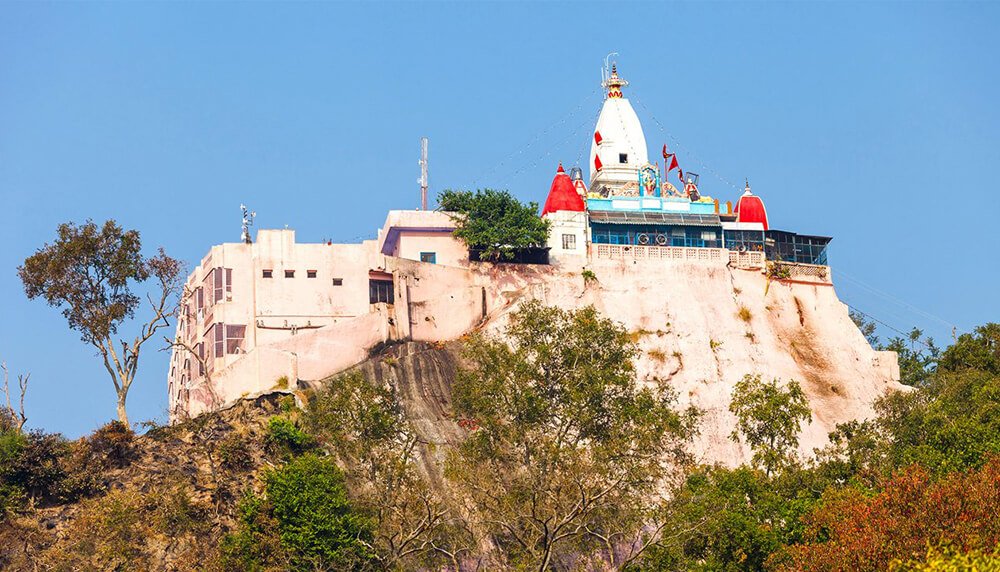
Perched a top Bilwa Parvat, the Mansa Devi Temple in Haridwar, is a revered pilgrimage site that blends deep spiritual significance with breathtaking natural beauty. Dedicated to Goddess Mansa, known for granting the heartfelt wishes of her devotees, the temple attracts thousands of pilgrims and tourists throughout the year. A visit to this sacred shrine offers more than just blessings—it invites you to witness mesmerizing views of the Ganges and the Himalayan foothills. Whether you're seeking divine grace or cultural insight, the Mansa Devi Temple in Haridwar promises a truly soul-stirring experience.
The word “Mansa” is derived from the Sanskrit word manas, meaning mind. Legend has it that Goddess Mansa was born from Lord Shiva’s mind and is the sister of Naga (serpent) Vasuki. As a deity of wishes, she is revered by believers who come seeking blessings for good health, peace, prosperity, and resolution of their life’s troubles. It is common to see devotees tying sacred threads to the temple’s holy tree—a silent prayer for their heartfelt desires to come true.
Haridwar, one of the seven holiest cities in Hinduism, is a spiritual epicenter along the Ganges River. Within this sacred geography, the Mansa Devi Temple holds a special place. It forms part of the trio known as the “Siddh Peeths” in Haridwar, alongside the Chandi Devi and Maya Devi temples. Visiting all three is considered spiritually enriching, and many pilgrims undertake this sacred circuit during the annual pilgrimage seasons.
Mansa Devi is also considered one of the manifestations of Shakti, the divine feminine energy. This makes it an essential stop during the Navratri festival, when thousands of devotees ascend the hill to offer prayers and participate in vibrant religious rituals.
Getting to Mansa Devi Temple is an experience in itself. There are two main ways to reach the top:
Both routes add a sense of anticipation and reverence before reaching the temple complex, enhancing the overall experience.
The main sanctum houses the idol of Goddess Mansa Devi, adorned in traditional red and yellow drapery, garlands, and shimmering jewelry. Devotees offer coconuts, bangles, and flowers, often whispering their wishes into folded palms. A strong sense of devotion permeates the air, as the temple bells echo with chants and prayers.
Outside the sanctum, vendors sell sacred threads (mouli), sweets, and prasad. A unique feature here is the sacred tree tied with countless threads—each representing a devotee’s unspoken wish or heartfelt prayer. Once the wish is fulfilled, devotees return to untie the thread, completing their spiritual vow.
While Mansa Devi is primarily a religious destination, it also offers a glimpse into India’s vibrant cultural fabric. The temple complex is a hub of activity during major Hindu festivals like Navratri, Kumbh Mela, and Makar Sankranti. The rituals, colors, music, and community energy on these occasions bring the space to life in a way that’s difficult to describe in words.
For international travelers or first-time visitors, it’s an enriching chance to witness Indian traditions at their most authentic. The harmonious blend of nature, faith, and local life is what sets Mansa Devi apart from typical tourist spots.
Though open year-round, the best time to visit the temple is between October and March, when the weather is cooler and pleasant. During Navratri, the temple is beautifully decorated, and special pujas are conducted—making it a spiritually charged time for darshan (viewing the deity).
Early morning visits are recommended to avoid crowds and soak in the peaceful atmosphere. The ropeway typically operates from 8:00 AM to 5:00 PM, but timings may vary during festival seasons, so checking in advance is advised.
Efforts have been made to improve accessibility for senior citizens and differently-abled visitors. The ropeway is a significant step in this direction, and there are designated viewing areas and resting benches throughout the temple complex. Authorities have also installed dustbins and encourage visitors to maintain the sanctity and cleanliness of the surroundings.
As tourism in Haridwar grows, Mansa Devi stands as a reminder of how sacred spaces can coexist with modern conveniences while preserving their ancient charm.
Visiting Mansa Devi Temple in Haridwar isn’t just about offering prayers—it’s about embracing a moment of inner peace, connecting with traditions, and witnessing how belief shapes the lives of millions. Whether you're seeking spiritual upliftment or simply want to witness the soulful side of India, Mansa Devi is a destination that stays with you long after the visit.
So next time you're in Haridwar, let your journey lead you up to this divine temple. Whisper your wish, take in the view, and let the power of faith work its quiet magic.
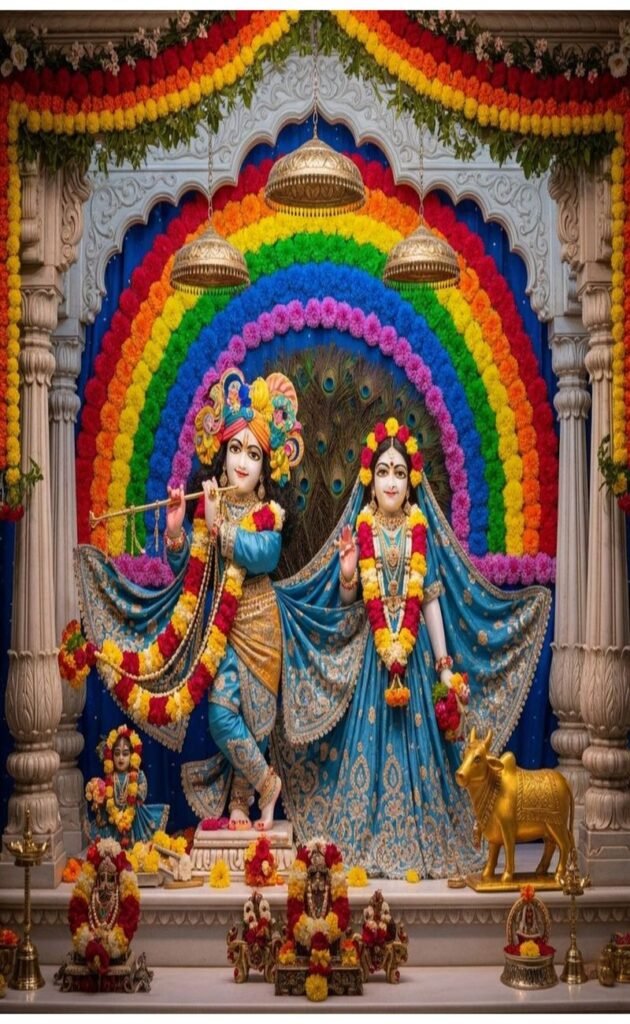
The holy place, Vrindavan, where a child Lord Krishna grew up, is a journey, not a place, but a trip full of wonderful divinity, civilization, and ancient myths. Vrindavan has hundreds of temples, each with its own history and specific rituals. Vrindavan is the place where millions of Indian pilgrims and visitors of different nations come annually.
It does not matter whether you are on a day visit, weekend pilgrimage, or longer spiritual vacation; it is important to plan your darshan (visit) inside the temple to savor the spiritual breath of Vrindavan. Traditional mangal aarti (early mornings), bhog aarti, and shayan aarti timings are observed in many of the temples in this area. Not knowing them correspondingly is the soul of the Vrindavan experience one can miss.
We present to you the final list of Vrindavan temple darshan timing in this guide to allow easy planning of your visit.
Vrindavan temples are unlike typical city temples. They follow very specific darshan windows, based on ancient Vaishnav traditions. Most temples do not allow entry throughout the day. Instead, they open and close multiple times, especially around the daily seva (services) offered to the deity — such as waking up the Lord, offering food, rest, and sleep.
That’s why it’s essential to know:
Let’s explore the darshan timings of the most famous temples in Vrindavan.
Banke Bihari Temple is the most visited temple in Vrindavan. The unique aspect of this temple is that darshan is not continuous — the curtain is drawn every few seconds to prevent devotees from being overwhelmed by the Lord’s beauty.
Summer (April to October):
Winter (November to March):
Special Notes:
Built by the International Society for Krishna Consciousness, this temple is one of the cleanest, most organized, and well-maintained in Vrindavan.
Special Notes:
Constructed by Jagadguru Kripaluji Maharaj, Prem Mandir is an architectural marvel carved in Italian marble. Known for its grandeur and evening light shows, this temple draws tourists and pilgrims alike.
Special Notes:
This is one of the most sacred temples of Vrindavan, founded by Gopala Bhatta Goswami. The deity is said to have manifested from a shaligram shila (sacred stone) and has been worshipped in its original form since the 16th century.
Special Notes:
Nidhivan is believed to be the site where Lord Krishna still performs Raas Leela with Radha and the Gopis every night. No one is allowed to remain here after dark.
Special Notes:
This temple emphasizes devotion to Radharani, and the deity of Krishna is present, but Radharani is represented by a crown placed beside Him — a beautiful symbol of divine feminine energy.
Special Notes:
A historic temple said to be built at the spot where Lord Krishna killed the demon Keshi. It is one of the oldest temples in Vrindavan.
Special Notes:
To help you make the most of your visit, here's a sample one-day darshan itinerary covering top temples:
| Time | Activity |
| 4:00 AM | Reach ISKCON for Mangal Aarti |
| 6:00 AM – 7:30 AM | Freshen up, light breakfast |
| 8:00 AM | Visit Radha Raman Temple |
| 9:30 AM | Banke Bihari Darshan |
| 11:00 AM | Radha Vallabh Temple |
| 12:30 PM | Lunch break / Prasad at ISKCON or local dhaba |
| 2:00 PM | Visit Nidhivan (before closing) |
| 4:30 PM | Prem Mandir and light show |
| 6:30 PM | ISKCON Evening Aarti |
| 7:30 PM onwards | Yamuna Aarti at Keshi Ghat |
Vrindavan is not just a town of temples — it’s a living, breathing embodiment of Bhakti (devotion). Whether you are an early riser eager for Mangala Aarti, or an evening visitor drawn to Shayan Aarti and the glowing Prem Mandir, planning your visit according to temple darshan timings ensures that you experience Vrindavan at its most spiritual moments.Let MathuraHub be your guide in making the most of your Braj Yatra — from darshan timings to transport, tours, and trusted local information, we’re here to help you connect with the divine, peacefully and purposefully.
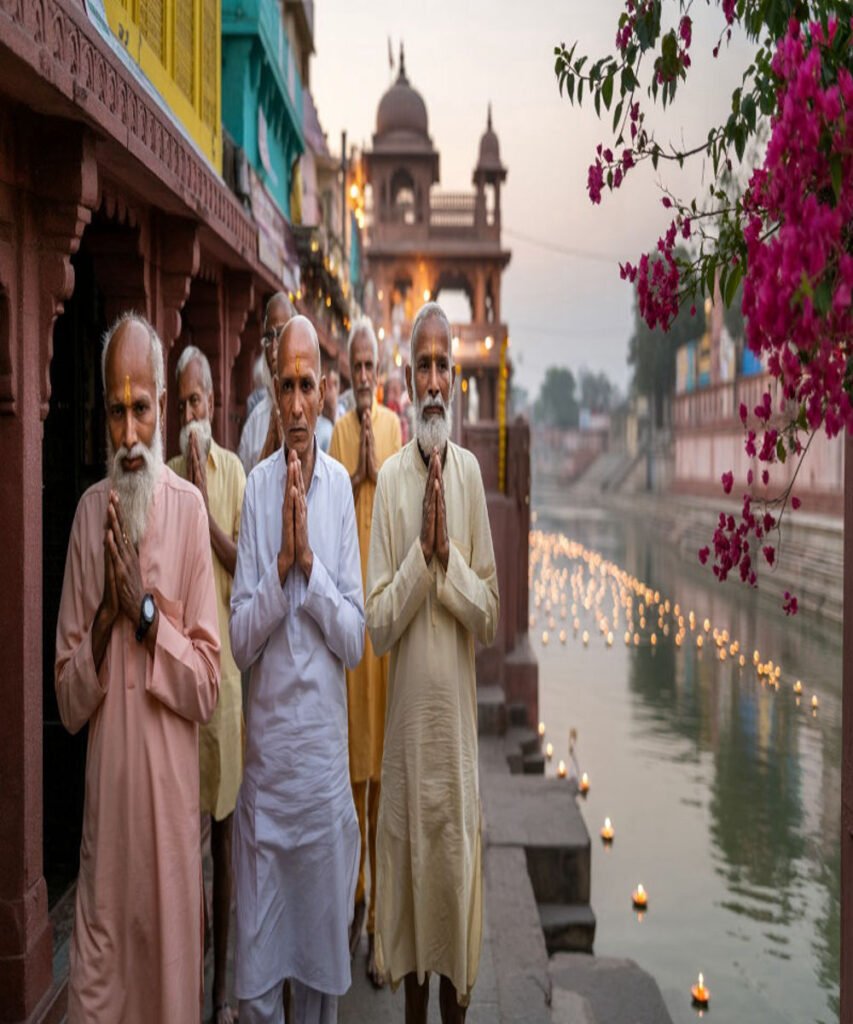
Not sure how to plan a trip to the religious place of Vrindavan in Mathura Junction? Being a spiritual seeker, a history fancier, or a bus loader, this guide will assist you in selecting the most convenient and easy way to get from Mathura Junction to Vrindavan.
Vrindavan is one of the most sacred places in relation to Lord Krishna, which is also very famous, as it is just a few kilometers away and it is accessible through different modes.
Mathura Junction Railway Station (MTJ) is located at a distance of 10 to 12 kilometers from Mathura Junction to Vrindavan. Depending on traffic and the mode of transport of your preference, the trip takes 20-45 minutes.
There are multiple ways to reach Vrindavan from Mathura Junction. Your choice can depend on your budget, time constraints, group size, and comfort preferences.
Summary: Auto rickshaws constitute the cheapest and the most popular mode of conveyance. Shared and individual autos can be located right outside the railway station.
Cost:
Time of Travel: 25-35 minutes
Advantages:
Disadvantages:
Best For: Solo travellers or those comfortable with basic travel
Overview: If you're looking for comfort and direct access, booking a private taxi or using app-based services like Ola or Uber is a good choice.
Cost: ₹300 to ₹500 (depending on time, distance, and car type)
Travel Time: 25 to 30 minutes
Advantages:
Disadvantages:
Best For: Families, elderly passengers, and those with luggage
Overview: Local buses operated by UP State Transport and private mini-buses run between Mathura and Vrindavan, although not on a regular schedule.
Cost: ₹20–₹30 per person
Travel Time: 30 to 45 minutes
Advantages:
Disadvantages:
Best For: Backpackers and locals with flexible timing
Overview: Electric rickshaws are available for short distances and are commonly used between nearby towns and temples.
Cost: ₹100–₹150
Travel Time: 30 to 40 minutes
Advantages:
Disadvantages:
Best For: Budget-conscious travellers and couples
Overview: A passenger train called the Vrindavan Passenger runs between Mathura Junction and Vrindavan station.
Cost: ₹10–₹15
Travel Time: 20 to 25 minutes
Advantages:
Disadvantages:
Best For: Railway enthusiasts and budget travellers
Overview: Group travellers often hire tempo travellers, vans, or minibuses that can accommodate up to 12 or more people.
Cost: Starting from ₹800 and above, depending on group size
Travel Time: 30 to 40 minutes
Advantages:
Disadvantages:
Best For: Pilgrimage groups, school tours, and large families
| Traveller Type | Recommended Transport |
| Solo Budget Traveller | Shared Auto or E-Rickshaw |
| Family with Luggage | Taxi or App-based Cab |
| Elderly or Senior Citizens | Private Cab or Ola/Uber |
| Pilgrimage Group | Tempo Traveller or Minibus |
| Backpackers or Students | Local Bus or Passenger Train |
| Eco-Conscious Travellers | E-Rickshaw or Shared Auto |
After reaching Vrindavan, your journey has just begun. The town is home to many beautiful temples and sacred sites associated with Lord Krishna.
The temples are mostly accessible at a radius of 3 to 5 km, and you can also traverse them on foot, by hiring e-rickshaws, or by tangas (horse-drawn carts), and this gives you a feel of the old times.
Morning:
Afternoon:
Evening:
One can easily travel between Mathura Junction and Vrindavan; it is convenient, and there are various ways through which a traveller can choose depending on the kind of travel preference. It does not matter whether you prefer the old-fashioned beauty of an auto-rickshaw or the comfort of a personal taxi; the euphoria of the spirituality of Vrindavan will be a good experience.
We are on a mission to make your journey in the Braj Bhoomi excellent and comfortable. Whether you need some advice on mode of transport, local directions, or temple schedules, we will guide you throughout.
Are you ready to visit Krishna's divine land? Book your visit to Vrindavan with MathuraHub now.